
Understanding Construction Site Safety
Construction site safety is a critical concern in the construction industry, affecting the well-being of workers, the integrity of projects, and the adherence to regulatory requirements. Maintaining a secure environment not only protects employees but also improves productivity and efficiency. To delve deeper into the realms of construction site safety, it’s essential to understand its importance, common hazards, and the regulations that govern it.
The Importance of Safety in Construction
Safety in construction is paramount. Statistics indicate that construction is among the industries with the highest number of workplace injuries and fatalities. According to various studies, ensuring safety can significantly reduce costs associated with accidents, enhance worker morale, and improve the overall reputation of construction firms. Implementing robust safety protocols fosters a culture of prevention, leading to long-term benefits both for workers and organizations.
Common Hazards on the Construction Site
Construction sites are often rife with hazards that can pose serious risks to workers. Some of the most common hazards include:
- Falls: One of the leading causes of fatalities, falls can occur from ladders, scaffolds, and roofs.
- Electrical Hazards: Contact with electrical tools or live wires can result in severe injuries or fatalities.
- Struck-by Accidents: Heavy machinery and moving vehicles can strike workers, causing significant injuries.
- Caught-in or Between Hazards: Workers can become trapped in or between equipment and structures.
- Hazardous Materials: Exposure to chemicals, dust, and asbestos can lead to long-term health issues.
Legal Framework and Safety Regulations
Understanding the legal framework surrounding construction site safety is crucial for compliance and risk management. Various regulatory bodies set forth guidelines that construction companies must follow, including:
- Occupational Safety and Health Administration (OSHA): This agency establishes regulations to ensure safe working conditions in various industries, including construction.
- Local Building Codes: Compliance with local codes ensures that projects meet safety standards set by local governments.
- Environmental Regulations: Ensures that construction practices do not harm the surrounding environment, promoting sustainability.
Key Components of a Safety Plan
Developing a comprehensive safety plan is essential to mitigate risks and enhance the well-being of all personnel on a construction site. Key components of an effective safety plan include:
Identifying Risks and Implementing Controls
The first step in any safety plan is to conduct a thorough risk assessment. This involves identifying potential hazards and assessing the likelihood and severity of accidents. Once risks are identified, controls must be implemented, which might include:
- Engineering Controls: Modifying equipment or workspace to reduce risks.
- Administrative Controls: Establishing policies and procedures to guide safe behavior.
- Personal Protective Equipment (PPE): Ensuring workers use appropriate gear such as helmets, gloves, and safety glasses.
Training and Certification for Workers
Proper training is vital for risk prevention and compliance. All workers should undergo comprehensive training programs that cover safety regulations, hazard recognition, and the proper use of safety equipment. Certifications may include:
- OSHA 10-Hour and 30-Hour Training: Courses that provide workers with a foundational understanding of safety regulations.
- Specific Equipment Operation Training: Training for heavy machinery operations.
Emergency Protocols and Response Plans
An effective safety plan must include clear emergency protocols. These protocols should outline steps to take in case of an accident, including:
- Immediate medical response procedures.
- Evacuation plans detailing safe exit routes.
- Designating a safety officer responsible for emergency management.
Best Practices for Maintaining Site Safety
Once a safety plan has been established, ongoing efforts are necessary to ensure safety protocols are adhered to. Best practices include:
Regular Safety Audits and Inspections
Conducting routine safety audits helps identify potential hazards before they lead to accidents. Inspections should focus on:
- Equipment maintenance and safety features.
- Workplace conditions and compliance with safety standards.
- Behavioral observations to ensure workers follow safety procedures.
Use of Personal Protective Equipment (PPE)
Encouraging and enforcing the use of personal protective equipment is one of the simplest yet most effective measures in enhancing site safety. This includes:
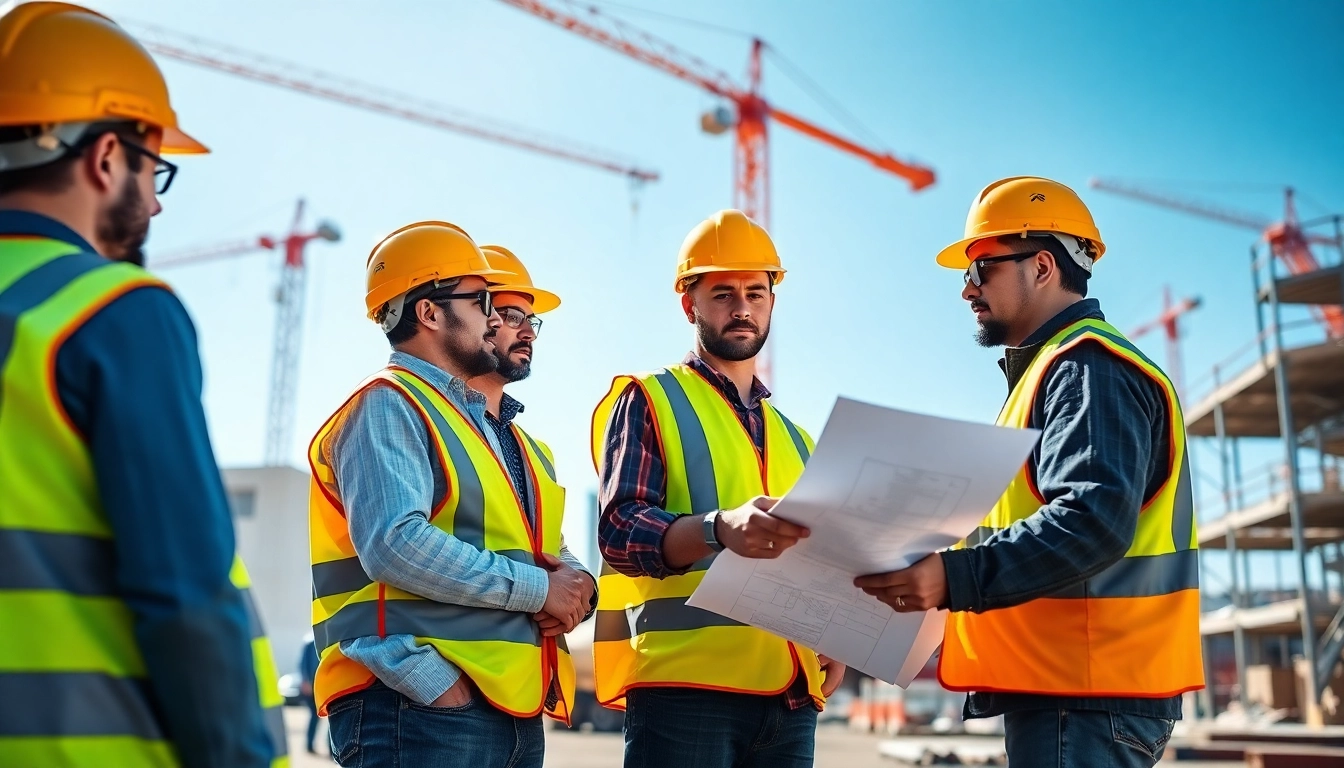
- Hard hats for head protection.
- Steel-toed boots for foot safety.
- High-visibility vests to ensure visibility on-site.
- Respirators for protection from harmful inhalants.
Effective Communication Among Team Members
Establishing clear communication protocols helps ensure that all team members are aware of hazards and safety measures. Effective communication strategies include:
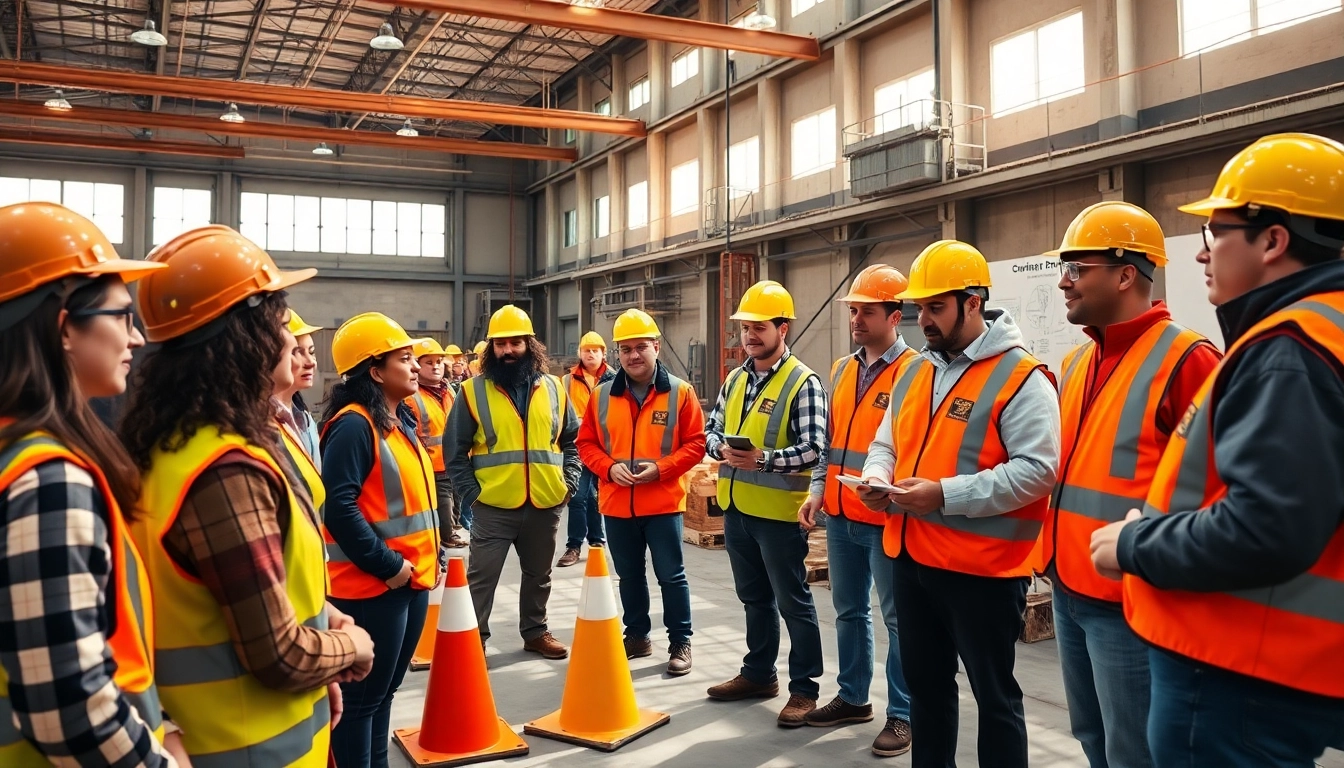
- Daily safety briefings to discuss potential hazards.
- Use of visual aids and signage around the site.
- Creating a culture of openness where workers can voice safety concerns without fear of reprisal.
Implementing Technology in Construction Safety
The advancement of technology has provided innovative solutions to enhance construction site safety. Here are some modern tools and technologies:
Drones and Site Monitoring Systems
Drones can be used for aerial surveillance of construction sites, allowing for real-time monitoring of worker safety, equipment utilization, and site conditions. They can help identify hazards that may not be visible from ground level, ensuring a safer environment.
Wearable Safety Devices
Wearable technology such as smart helmets and vests equipped with sensors can monitor worker location and health metrics. These devices can alert supervisors to potential risks such as exposure to hazardous conditions or fatigue, thereby preventing accidents.
Software Solutions for Safety Management
Cloud-based safety management software enables construction companies to track compliance, conduct audits, and analyze incidents. This software can streamline reporting processes and enhance communication among project teams, fostering a proactive rather than reactive approach to safety.
Evaluating and Improving Safety Performance
To ensure continuous improvement in construction safety, it’s essential to evaluate safety performance regularly. This can be achieved through:
Metrics for Measuring Safety Success
Key performance indicators (KPIs) can provide valuable insights into safety performance, including:
- Incident rates and the severity of accidents.
- Compliance rate with safety training and protocols.
- Frequency and outcome of safety audits.
Learning from Incidents and Near-Misses
Every incident, whether minor or major, should be seen as a learning opportunity. Conducting thorough investigations into accidents and near-misses can reveal underlying issues in safety protocols, thus paving the way for improvements.
Creating a Culture of Safety on the Site
Ultimately, safety should be embedded in the culture of the construction site. Encouraging worker participation in safety programs, rewarding safe behavior, and fostering an environment of accountability can cultivate a robust safety culture. This includes leadership showing commitment to safety and engaging workers in safety discussions.
Frequently Asked Questions
What are the most common safety risks on construction sites?
The most common risks include falls, electrical hazards, being struck by objects, getting caught in machinery, and exposure to hazardous materials.
How often should construction site safety training be conducted?
Training should be conducted regularly, ideally at the start of each project, with refresher training as new employees are hired or when regulations change.
What role does PPE play in workplace safety?
PPE is crucial in protecting workers from specific hazards present on the construction site, thereby reducing the likelihood of injuries and fatalities.
How can effective communication enhance site safety?
Effective communication ensures everyone is aware of risks and safety protocols, fostering cooperation among team members to maintain a safe working environment.
What metrics should I use to measure safety performance?
Important metrics include incident rates, compliance with safety training, and outcomes from safety audits, helping track improvements over time.