
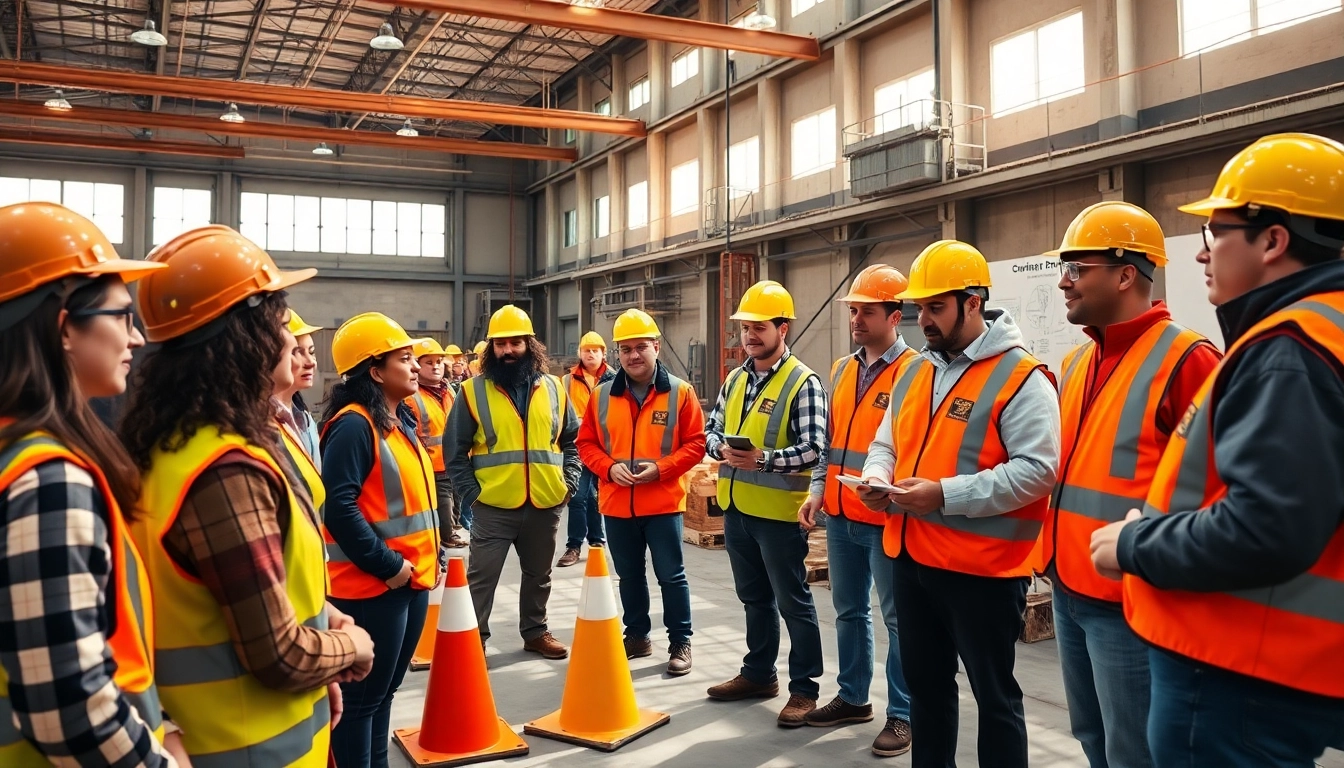
Understanding Construction Safety Training
Construction sites, known for their dynamic environments, require stringent safety measures to ensure the well-being of workers. The importance of construction safety training cannot be overstated, as it serves as the foundation for reducing accidents and creating a culture of safety. This training equips employees with the necessary knowledge and skills to navigate their work environments securely and effectively.
Importance of Construction Safety Training
Safety training is vital for multiple reasons. Firstly, it significantly reduces the likelihood of workplace accidents and injuries, which not only protects employees but also minimizes financial losses for companies. According to industry reports, organizations that invest in comprehensive safety training programs see a marked decrease in incident rates. Moreover, the implementation of such training improves overall productivity by creating a safer work environment where workers can focus without the constant fear of accidents.
Key Components of Effective Training
Effective construction safety training comprises several key components:
- Content Relevance: Training content should be directly relevant to the specific hazards present on site.
- Engagement Techniques: Interactive methodologies keep participants engaged and promote better retention of information.
- Qualified Instructors: Trainers must be certified and experienced in construction safety.
- Flexible Delivery: Training should be available in various formats to accommodate different learning styles.
Legal Requirements and Compliance
Compliance with safety regulations is a non-negotiable aspect of construction safety training. Various local, state, and federal regulations mandate that construction companies provide proper training to employees. Understanding these laws ensures that organizations not only protect their workers but also avoid legal penalties.
Developing a Comprehensive Training Program
Assessing Training Needs
The first step in crafting a robust training program is to assess the training needs of the workforce. This involves identifying the specific risks associated with different job functions and determining the existing knowledge gaps among employees. Conducting surveys, interviews, or focus groups can provide valuable insights that lead to targeted training.
Designing Engaging Content
Designing training materials that are both informative and engaging is crucial. Clear objectives should be established, and content should include practical examples and multimedia resources. Effective training materials often rely on visual aids such as infographics, videos, and interactive modules that cater to varying learning preferences.
Utilizing Technology and Tools
Adopting technology in construction safety training can enhance the learning experience significantly. Online training platforms, mobile apps, and virtual simulations offer flexible options for employees to complete their training at their own pace. Additionally, technologies such as augmented reality (AR) and virtual reality (VR) can create immersive learning experiences that better prepare workers for real-world scenarios.
Best Practices for Delivering Training
Interactive Methods for Engagement
Interactive training methods are essential for maintaining participant interest. Group discussions, hands-on demonstrations, and role-playing scenarios can help reinforce key concepts and encourage active participation. By making training interactive, trainers can create a memorable and impactful experience for their audience.
Incorporating Real-World Scenarios
Using real-world scenarios in training sessions can contextualize learning. Case studies based on actual incidents can illustrate the consequences of unsafe practices, while also highlighting the effectiveness of safety protocols and training. This approach can cultivate critical thinking among participants, prompting them to recognize and develop responses to potential hazards.
Tracking Participant Progress
Implementing a system to track progress during training is crucial. Metrics such as completion rates, quiz scores, and participant feedback can help trainers assess the effectiveness of their program. Moreover, continual assessment can provide insights into areas needing improvement, ensuring that training remains relevant and impactful.
Evaluating the Effectiveness of Training
Feedback Mechanisms
Integrating feedback mechanisms in the training process is essential for enhancing its effectiveness. Surveys, anonymous suggestion boxes, and verbal feedback can offer valuable insights into how participants perceive and engage with the training. Regularly reviewing this feedback allows organizations to refine their training programs continuously.
Measuring Safety Improvements
To evaluate the success of a training program, organizations should monitor key performance indicators (KPIs) related to workplace safety. These may include metrics such as incident rates, near-misses, and employee safety behavior audits. A positive trend in these areas can provide tangible evidence of the training’s effectiveness.
Adjusting Program Based on Evaluations
Training programs should never be static. Based on evaluation results and feedback, organizations must be prepared to adjust their training approaches. Continuous improvement based on data-driven insights ensures that training remains relevant to the ever-evolving landscape of construction safety.
Future Trends in Construction Safety Training
Embracing Virtual Reality in Training
As technology advances, incorporating virtual reality into construction safety training is gaining traction. VR allows employees to experience high-risk scenarios safely within a controlled environment. This level of engagement and realism can significantly enhance learning outcomes and prepare workers for on-site conditions.
Focus on Mental Health and Well-being
There is a growing recognition of the importance of mental health in the workplace. Future training programs should address not only physical safety but also mental well-being. Incorporating mental health awareness into safety training can help reduce stress and promote a more holistic approach to employee well-being.
Continual Learning and Adaptation
Given the fast-paced nature of construction, ongoing training and adaptability are critical. Safety training should evolve in tandem with new technologies, regulations, and techniques in the industry. This mindset of continual learning ensures that workers remain equipped to handle emerging risks and challenges effectively.
Frequently Asked Questions
What is construction safety training?
Construction safety training educates workers about the risks and safety measures specific to construction sites. It promotes safe practices and compliance with regulations.
Why is construction safety training important?
This training reduces workplace accidents and injuries, protects employees, and minimizes financial losses, fostering a culture of safety.
How often should training be updated?
Training should be regularly updated to reflect changes in regulations, technology, and best practices for maintaining workplace safety.
What are the key components of effective training?
Effective training includes relevant content, engagement techniques, qualified instructors, and the flexibility to accommodate different learning styles.
What tools can enhance training delivery?
Tools such as online platforms, mobile apps, AR, and VR can significantly enhance the delivery and effectiveness of training programs.