Understanding Construction Site Safety
What is Construction Site Safety?
Construction site safety encompasses various practices, procedures, and policies designed to safeguard workers from potential hazards prevalent in construction environments. Effective safety measures aim not only to mitigate risks but also to foster a culture where awareness and training empower workers to prioritize their safety and that of their colleagues. This includes everything from selecting appropriate personal protective equipment (PPE) to communicating risks effectively and implementing change whenever necessary. To delve into the important aspects of construction site safety, this article explores essential safety gear, protocols, training programs, and the importance of measuring safety performance.
Importance of Safety Regulations
Adhering to safety regulations is crucial to minimize accidents and ensure a safe working environment on construction sites. These regulations are established by governmental and industry bodies, backed by research and data analytics. Compliance with these standards ensures the protection of workers while also protecting companies from potential financial liabilities arising from workplace accidents. Moreover, regulations enhance operational efficiency, fostering compliance-centric workplaces that prioritize employee well-being.
Common Risks in Construction
The construction industry is replete with hazards, ranging from falls, equipment injuries, electrocution, to exposure to harmful substances. Identifying these risks is the first step in mitigating them. For instance, slips and falls often account for a significant proportion of injuries. Other common risks include:
- Hazardous materials exposure (e.g., asbestos, silica dust)
- Caught-in or caught-between incidents involving machinery
- Transportation incidents, including vehicle accidents on-site
- Unsafe scaffolding and ladder usage
Understanding these common risks allows organizations to implement appropriate preventative measures that can dramatically reduce accidents and fatalities.
Essential Safety Gear and Equipment
Types of Personal Protective Equipment
Personal Protective Equipment (PPE) is a cornerstone of construction site safety. Various types of safety gear are essential depending on the nature of the tasks being performed. Common categories include:
- Head Protection: Hard hats protect against impact from falling objects.
- Eye and Face Protection: Safety goggles and face shields shield workers from flying debris and chemical splashes.
- Hearing Protection: Earplugs and earmuffs help prevent hearing loss in noisy environments.
- Respiratory Protection: Masks and respirators filter out harmful dust and fumes.
- Foot Protection: Steel-toed boots offer vital protection against heavy falling objects.
- Body Protection: High-visibility vests and flame-resistant clothing ensure workers remain visible and protected from specific hazards.
Ensuring Proper Use of Safety Gear
Proper use of safety gear is essential to maximize its efficacy. Workers must undergo training to understand the importance of wearing the right PPE for each specific task. This involves not just wearing but also maintaining the equipment. Regular inspections and replacements are crucial to ensure that PPE remains effective and complies with current safety standards. Furthermore, encouraging a culture that prioritizes PPE usage contributes to overall site safety.
Maintenance of Safety Equipment
The efficiency of safety gear relies significantly on its maintenance. Organizations must establish a routine schedule for checking and maintaining safety equipment. This includes cleaning, testing, and replacing worn-out gear. Additionally, proper storage practices must be in place to avoid damage to equipment when not in use. Keeping detailed records of maintenance can also aid in compliance audits and inspections.
Safety Protocols and Procedures
Developing a Safety Plan
A comprehensive safety plan forms the backbone of effective construction site safety management. This plan should encompass hazard assessments, emergency procedures, and response strategies. Key components of a safety plan include:
- Risk Assessment: Identify and analyze potential hazards.
- Safety Training: Develop training programs tailored to the specific roles and risks at the site.
- Emergency Procedures: Outline clear actions to take in a crisis, including evacuation routes and emergency contact lists.
Moreover, ensuring that every worker understands their roles within the safety plan is essential for effective implementation.
Emergency Response Procedures
Establishing robust emergency response procedures is crucial on construction sites where accidents can occur at any moment. These procedures must be well-documented and communicated to all workers. Essential elements include:
- Clear reporting protocols for emergencies and hazards.
- Immediate first aid response guidelines, including designated first responders.
- A designated assembly point off-site for accounting for personnel post-evacuation.
- Regular emergency drills and simulations to reinforce preparedness.
Periodic reviews of these procedures can sharpen efficiency and prepare workers for impending emergencies.
Site Inspection Checklists
Regular site inspections are imperative for identifying potential hazards and ensuring compliance with safety standards. Utilizing structured checklists streamlines this process. Key inspection areas include:
- Identifying unsafe work practices and conditions.
- Assessing the condition and efficiency of all safety equipment.
- Verifying that safety gear is readily available and being used.
- Reviewing safety signage and accessibility.
Engaging workers in the inspection process can foster a sense of ownership and enhance their awareness of safety protocols.
Training and Awareness Programs
Importance of Safety Training
Training is pivotal in equipping workers with the knowledge and skills they need to work safely. A well-structured training program should cover essential topics such as:
- Understanding site-specific hazards.
- Correct usage of PPE.
- Operational safety of machinery and tools.
- Emergency response actions.
Beyond standard training, ongoing refresher courses keep safety awareness at the forefront and accommodate updates in safety regulations or practices.
Regular Safety Meetings
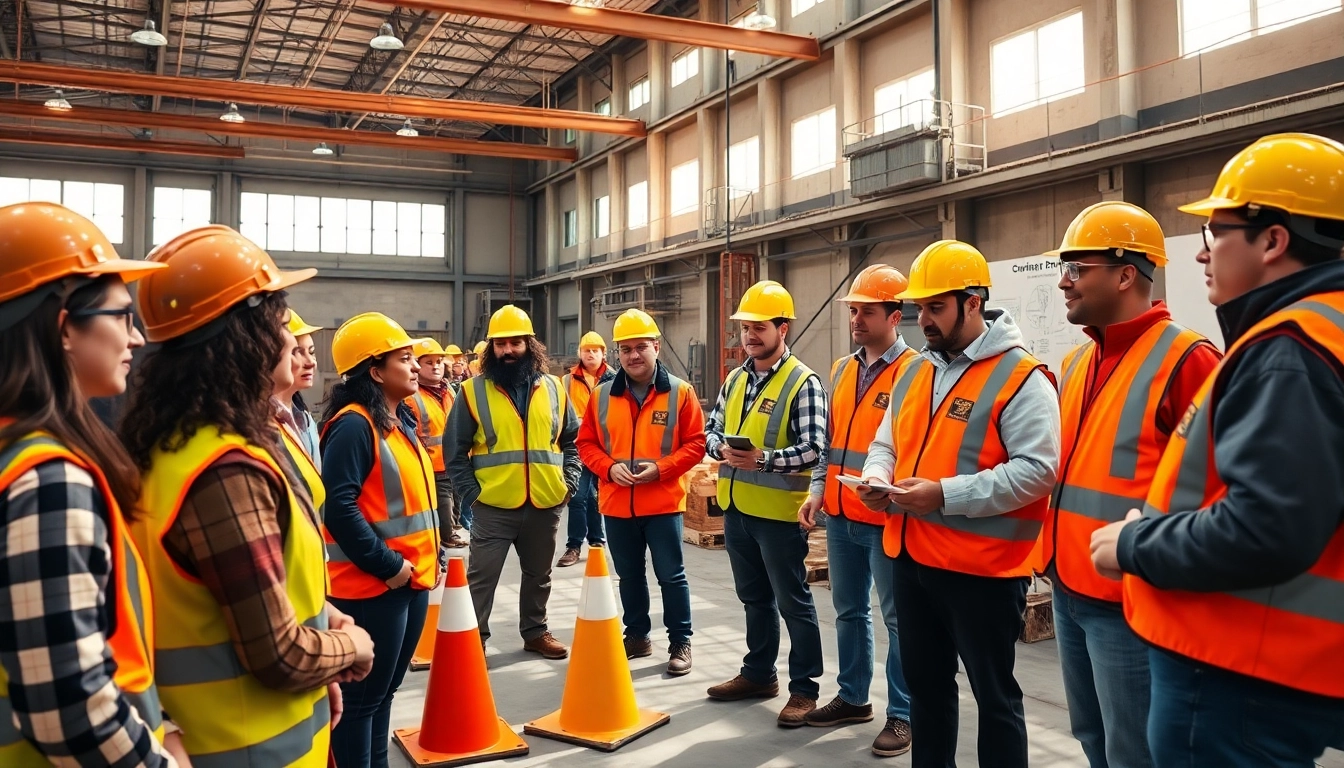
Holding regular safety meetings fosters communication and updates on safety protocols. These meetings should not only cover the basics but also engage workers in discussions about recent incidents, sharing of lessons learned, and promoting workplace safety initiatives. Moreover, soliciting feedback from workers during these meetings can uncover underlying issues that management may not be aware of, paving the way for improvement.
Certification and Compliance
Gaining certifications for safety training can enhance your workforce’s skillset. Many regions and industries offer safety training certifications that validate the expertise of your workers. Compliance with OSHA regulations and other industry standards can also improve credibility with clients and stakeholders. Regular audits should be performed to ensure compliance with applicable laws and standards, ensuring that the organization maintains its commitment to a safe working environment.
Measuring Safety Performance
Key Performance Indicators for Safety
To gauge the effectiveness of safety measures, organizations must develop and track Key Performance Indicators (KPIs). Essential KPIs can include:
- Incident rates, including near misses.
- Lost time injury frequency rates.
- Training completion rates.
- Audit results and compliance rates.
By regularly reviewing these indicators, organizations can identify trends, leading to informed decision-making regarding resource allocation for safety initiatives.
Analyzing Incident Reports
Incident reports provide invaluable insights into safety performance. Analyzing these reports can reveal patterns and root causes of accidents. Carrying out a thorough analysis of incident reports allows organizations to:
- Pinpoint areas in need of improvement.
- Adjust training programs to address recurring issues.
- Modify existing safety procedures for enhanced efficacy.
Sharing findings from these analyses during safety meetings can bolster collective efforts to enhance safety.
Continuous Improvement Strategies
Implementing a culture of continuous improvement is key to advancing safety on construction sites. This includes:
- Regularly reviewing and updating safety protocols.
- Soliciting feedback from workers on changes and improvements.
- Benchmarking against industry best practices.
- Investing in new technologies and methods to enhance safety.
By committing to ongoing improvements and fostering a culture of safety, organizations can significantly reduce incidents and enhance the overall safety experience on construction sites.
FAQs
What are the most common construction site hazards?
The most common hazards include falls, being struck by objects, electrocution, and exposure to hazardous materials.
Why is safety training important?
Safety training equips workers with knowledge and skills to identify hazards and adhere to safety protocols effectively.
How often should safety protocols be reviewed?
Safety protocols should be reviewed regularly, ideally at least annually or after any significant incidents or changes in operations.
What is the role of PPE in construction safety?
PPE protects workers from injuries and exposure to hazardous elements, making it vital for maintaining a safe work environment.
How can we measure safety performance effectively?
Effective measures include tracking KPIs, analyzing incident reports, and conducting regular safety audits to identify improvement areas.