
- Understanding the Importance of the Elmendorf Tear Strength Tester
- Key Features of the ElmenGuide Elmendorf Tear Strength Tester
- Applications of the Elmendorf Tear Strength Tester Across Industries
- Operational Insights and Best Practices
- Future Trends in Material Testing Technology
- FAQs about the Elmendorf Tear Tester
Understanding the Importance of the Elmendorf Tear Strength Tester
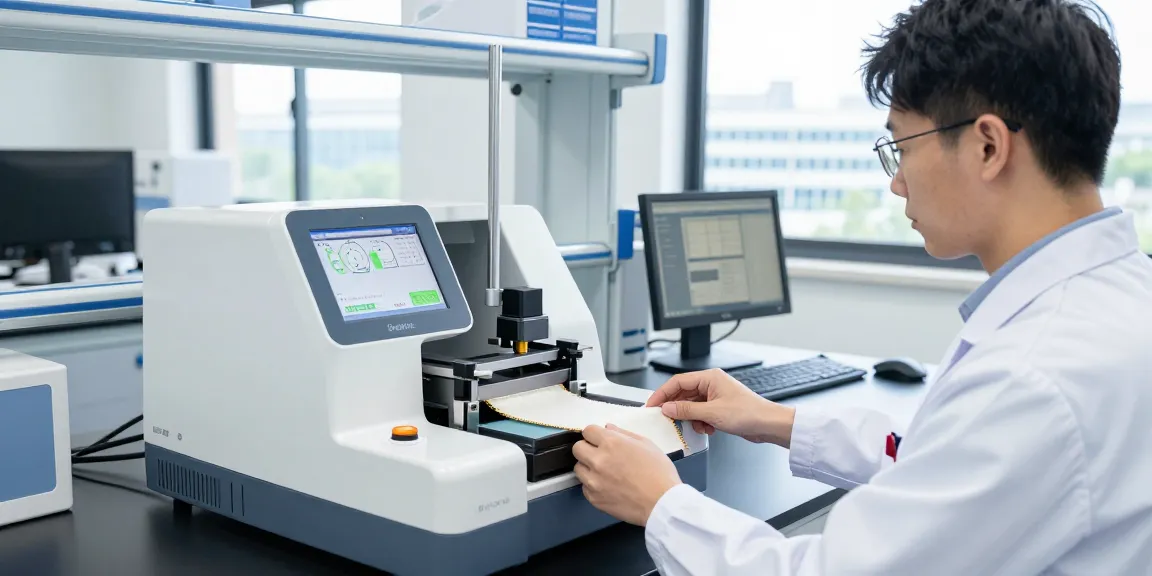
The elmendorf tear strength tester is a pivotal instrument in material testing, specifically designed to measure the tearing strength of various fabrics and materials. This equipment is essential across multiple industries, including textiles, packaging, and academic research, ensuring quality control and compliance with international standards. As the demand for high-quality, resilient materials rises, understanding the significance of tear strength becomes increasingly crucial for manufacturers aiming to meet industry benchmarks.
What is the Elmendorf Tear Test?
The Elmendorf Tear Test is a standardized method used to evaluate the resistance of materials to tearing. Utilizing a ballistic pendulum mechanism, the test assesses how much force is required to propagate a tear initiated in a specimen. Typically, the material is placed between two clamps, and a slit is created at the center. Once the pendulum is released, it swings down and tears through the fabric, allowing for the measurement of the energy lost during the swing — a direct reflection of the material’s tear strength.
The Significance of Tear Strength in Material Testing
Tear strength is a critical property in many applications, particularly in textiles where durability and longevity are paramount. High tear resistance ensures that fabrics can withstand everyday use and stress without leading to premature failure. For industries such as outdoor apparel, packaging, and upholstery, the ability to maintain integrity under tension is essential. Manufacturers rely on the Elmendorf Tear Strength Tester to safely and accurately measure these properties, ensuring product reliability and consumer satisfaction.
Compliance and Standards in Testing
Adherence to international testing standards is vital in today’s global marketplace. The Elmendorf Tear Tester complies with several recognized standards, including ASTM D 1424 and ISO 13937-1, ensuring that results are both consistent and credible. Compliance facilitates smoother regulatory approvals and helps maintain consistency across production batches, which is crucial for manufacturers aiming to reinforce their quality assurance processes.
Key Features of the ElmenGuide Elmendorf Tear Strength Tester
Automation and Accuracy in Measurements
The ElmenGuide Elmendorf Tear Strength Tester offers a fully automated testing process, which significantly enhances both the speed and accuracy of measurements. With a remarkable accuracy of ±0.2%, operators can trust that the results reflect true material performance without the risk of human error common in manual tests. This automation streamlines the testing process, allowing labs to increase throughput while maintaining high accuracy.
Comparison with Traditional Tear Testers
Traditional tear testers often rely heavily on manual setups, requiring operators to input values and manage configurations carefully. In contrast, the ElmenGuide system automatically recognizes sample weights and adjusts measurement ranges as needed. This not only reduces the possibility of errors but also minimizes the required training time for new operators, making it a more efficient choice for laboratories.
Ergonomic and User-Friendly Design Elements
The design of the ElmenGuide Elmendorf Tear Tester emphasizes user comfort and safety. Features such as a dual-button activation mechanism ensure that operators maintain a safe distance from the pendulum during tests. Additionally, the intuitive interface and ergonomic fixtures facilitate easy operation, allowing even novices to handle the equipment confidently, further enhancing productivity in testing environments.
Applications of the Elmendorf Tear Strength Tester Across Industries
Testing in Textile Manufacturing
In the textile manufacturing sector, the Elmendorf Tear Strength Tester is instrumental in ensuring that fabrics meet necessary durability standards. Whether testing lightweight materials for clothing or heavy-duty fabrics for upholstery, the ability to gauge tear strength accurately helps manufacturers refine their products and guarantee customer satisfaction.
Applications in Packaging and Paper Testing
Packaging materials, often subjected to various stresses during transport and handling, require rigorous testing for tear resistance. The Elmendorf Tear Tester aids in determining the durability of plastic films, paper, and laminated materials, ensuring that packaging meets industry standards and can effectively protect contents during distribution.
Academic and Research Utilization
Academic institutions and research laboratories utilize the Elmendorf Tear Tester to conduct material studies and explore new fabric compositions. This testing provides essential data that informs the development of innovative materials, fostering advancements in textile technology and engineering.
Operational Insights and Best Practices
Step-by-Step Procedure for Using the Tester
Operating the Elmendorf Tear Tester involves a straightforward procedure. Initially, the sample material is cut and clamped securely in place. An integrated cutter typically assists in producing a precise notch, ensuring accurate tear measurements. After the pendulum is released, the device automatically calculates the energy expended in tearing the material, providing instant and reliable results.
Calibration and Maintenance Guidelines
To ensure ongoing accuracy, regular calibration of the Elmendorf Tear Tester is essential. Following manufacturer guidelines, technicians should periodically check weights and settings. Maintenance involves routine cleaning and inspection of components to prevent wear and ensure seamless operation, thereby prolonging the equipment’s lifespan.
Avoiding Common Operational Errors
Common errors in using the Elmendorf Tear Tester often stem from improper sample preparation or incorrect machine settings. It is vital to ensure that samples are cut to the required dimensions and that the correct notch is marked. Additionally, operators should familiarize themselves with the testing protocols to avoid inaccuracies during the measurement process.
Future Trends in Material Testing Technology
Emerging Technologies in Testing Equipment
As technology evolves, so too does the equipment used in material testing. Future developments are likely to bring about smarter, more integrated systems that incorporate AI and advanced data analytics. These innovations will increase accuracy, optimize workflow, and provide deeper insights into material properties, ensuring that testing remains relevant in an ever-changing landscape.
The Role of IoT in Streamlining Testing Processes
The integration of IoT technology into testing equipment allows for real-time data tracking and analysis. With the capability to connect to smartphones and other devices, operators can monitor test parameters remotely, receive updates, and schedule maintenance alerts. This connectivity enhances operational efficiency and data management, making it easier for laboratories to maintain compliance and performance standards.
Anticipated Developments for 2026 and Beyond
Looking ahead to 2026 and beyond, we can expect further innovations in testing technologies, particularly in the realm of automation and integration. As more industries adopt sophisticated testing solutions, manufacturers will need to stay abreast of emerging trends to maintain competitiveness and meet evolving customer needs.
FAQs about the Elmendorf Tear Tester
How to Properly Use an Elmendorf Tear Tester?
Proper use involves ensuring that the sample is correctly prepared and securely clamped in place. Following the set procedure for marking the notch and releasing the pendulum is crucial for accurate results.
What are the Calibration Procedures for Elmendorf Tear Testers?
Calibration typically involves verifying and adjusting the device settings against known weights and ensuring that it meets specified accuracy standards.
How to Measure Tear Strength Accurately?
Accurate measurement requires adherence to standard testing protocols and careful sample preparation to ensure consistent results.
What Factors Influence Tear Strength Results?
Variables such as material composition, thickness, and environmental conditions can significantly affect tear strength outcomes. Understanding these factors helps in interpreting results accurately.
Why is Compliance with Standards Critical in Testing?
Compliance ensures that results are valid and accepted across industries, facilitating smoother operations and reassuring customers about product quality.