
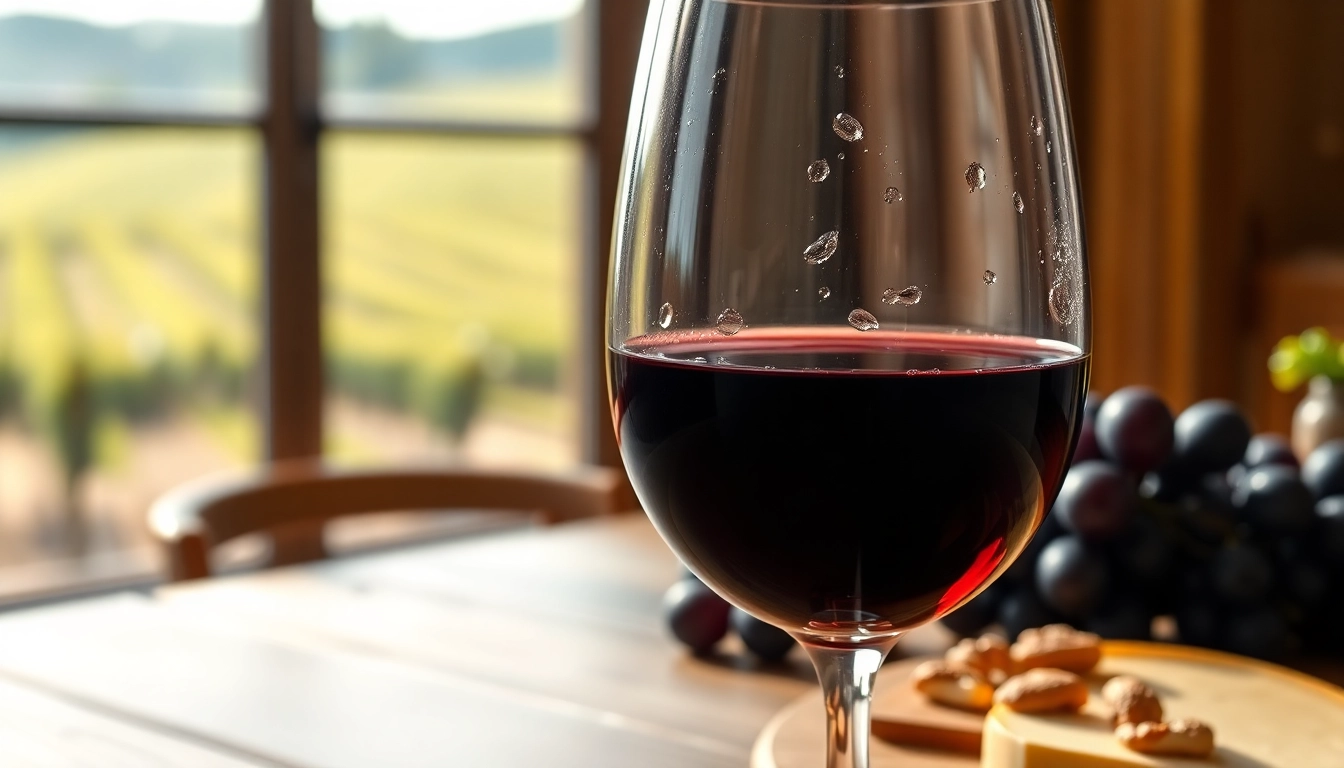
What is Tempranillo? An Overview
Tempranillo is a prominent red grape variety primarily associated with the wine regions of Spain. Renowned for its remarkable ability to produce elegant red wines, Tempranillo has gained a significant following among wine lovers worldwide. This category of wine is characterized by deep color, full body, and complex flavors. For those eager to discover more about Tempranillo and what makes it so special, exploring its origins, characteristics, and food pairings can be an enlightening journey. Learn more about Tempranillo to deepen your appreciation for this exquisite varietal.
Origins and History of Tempranillo
Tempranillo’s roots can be traced back to Spain, where it has been cultivated for centuries. It is believed to have originated in the Aragon region, with historical references dating as far back as the 9th century. The grape’s name, derived from the Spanish word ‘temprano,’ meaning early, reflects its early ripening nature compared to other varieties. Tempranillo’s rise to prominence began in the 19th century when advancements in winemaking techniques and the introduction of new oaking methods allowed winemakers to explore the grape’s potential fully.
Characteristics of Tempranillo Wine
Tempranillo wines are celebrated for their diverse flavor profiles and aging potential. They often exhibit ripe red and dark fruit flavors, such as cherry, plum, and blackberry, along with herbal and earthy undertones. Aging in oak barrels can impart additional notes of vanilla, tobacco, and leather, enhancing the wine’s complexity. The acidity and tannin structure typically provide a balanced mouthfeel, making Tempranillo versatile for various food pairings.
Types and Varietals of Tempranillo
There are several important varietals of Tempranillo, each offering unique characteristics. The most notable are:
- Tempranillo Blanco: A less common white mutation of the grape, known for its floral and citrus notes.
- Tinta Roriz: Renowned in Portugal, it shares many similarities with traditional Tempranillo but adapts to local climates.
- De la Tierra: Often found in the cooler regions, it results in wines with higher acidity and bright fruit notes.
Regions Famous for Tempranillo
Key Regions in Spain
Spain is undoubtedly the heartland of Tempranillo production. Here are some of the most famous Tempranillo-producing regions:
- Rioja: Perhaps the most iconic, Rioja is known for its reserva and gran reserva wines, showcasing aging potential and elegance.
- Ribera del Duero: This region produces bold and robust Tempranillo wines, famous for their deep flavor and structure.
- Navarra: Located relatively close to Rioja, Navarra blends traditional and innovative winemaking styles.
- La Mancha: As one of the largest wine-producing areas in Spain, it offers a range of styles, often more fruit-forward and approachable.
Emerging Regions Outside Spain
While Spain remains the traditional stronghold of Tempranillo, several countries have begun to cultivate this grape with notable success:
- Portugal: Often used in blends, particularly in the Douro region, where it contributes to the complexity of Port wines.
- California: With a diverse climate, California is starting to recognize Tempranillo’s potential, producing wines with ripe fruit flavors and smooth tannins.
- Australia and South America: Both regions are experimenting with Tempranillo, creating distinct expressions that reflect their respective terroirs.
Impact of Terroir on Tempranillo
The concept of terroir plays a significant role in shaping the characteristics of Tempranillo wines. Factors such as soil composition, altitude, and climate influence the grape’s flavor development. For instance, cooler climate regions often produce wines with brighter acidity and fresher fruit notes, whereas warmer areas may yield wines that are riper and fuller-bodied. This interplay of environmental factors contributes to the diverse range of styles available to wine enthusiasts.
Food Pairing with Tempranillo
Best Dishes to Complement Tempranillo
Pairing Tempranillo with food can elevate the dining experience considerably. Here are some ideal food pairings:
- Grilled meats: Barbecue ribs or charcoal-grilled steak harmonize beautifully with the robust flavors of Tempranillo.
- Cheese: Semi-aged cheeses, such as Manchego, enhance the wine’s complexity and balance its flavors.
- Spanish tapas: Dishes such as chorizo, olives, and patatas bravas pair excellently with the grape’s fruity notes.
- Pasta dishes: Tomato-based sauces bring out the wine’s acidity, creating a delightful pairing.
Serving Recommendations
The ideal serving temperature for Tempranillo generally ranges between 60-65°F (15-18°C). Investing in a good decanter can enhance the wines’ aromatic profile. Allowing the wine to breathe for 30 minutes before serving can also soften the tannins and reveal the complex flavors more fully.
How to Taste Tempranillo
Tasting Tempranillo involves a multi-sensory approach:
- Look: Observe the wine’s color and clarity.
- Swirl: Swirling aerates the wine, releasing its aromas.
- Smell: Inhale deeply to detect fruit, floral, and earthy aromas.
- Taste: Take a sip, allowing the flavors to coat your palate, assessing the balance of fruit, acidity, and tannins.
- Finish: Pay attention to the lingering aftertaste, an essential aspect of the wine’s quality.
Tempranillo vs. Other Red Wines
Comparing Tempranillo to Cabernet Sauvignon
When contrasting Tempranillo with Cabernet Sauvignon, several key differences emerge. While Cabernet Sauvignon is known for its boldness, deep tannins, and black fruit flavors, Tempranillo often showcases a softer, fruit-forward profile with balanced acidity. The latter’s adaptability to oak aging also allows for a broader range of flavors, with less pronounced astringency compared to Cabernet.
Tempranillo vs. Merlot
Both Tempranillo and Merlot produce smooth, fruit-driven wines, yet distinct nuances exist. Tempranillo typically has stronger herbal and earthy notes, while Merlot leans toward plummy sweetness and low acidity. Additionally, Tempranillo tends to have a more complex palate with the ability to age longer than many Merlot options.
Unique Flavors of Tempranillo
Tempranillo’s flavor profile can vary widely depending on its terroir and winemaking process. Common tasting notes include:
- Red fruits: Cherry, raspberry, and strawberry are common.
- Black fruits: Black current and plum often emerge in darker, more complex profiles.
- Spices: Notes of vanilla, clove, and cinnamon from oak aging.
- Earthy tones: Leather and tobacco add depth to many Tempranillo wines.
Frequently Asked Questions About Tempranillo
What is the best temperature to serve Tempranillo?
The ideal serving temperature for Tempranillo is between 60-65°F (15-18°C) to allow its flavors and aromas to shine.
How long can Tempranillo be aged?
Tempranillo can age well, with some high-quality versions maturing gracefully for over 10-20 years, depending on the region and winemaking techniques.
What foods pair well with Tempranillo?
Tempranillo pairs excellently with grilled meats, semi-aged cheeses, Spanish tapas, and tomato-based pasta dishes.
Is Tempranillo sweet or dry?
Tempranillo wines are generally classified as dry, though fruit-forward wines may seem slightly sweet on the palate due to their ripe fruit flavors.
Where does Tempranillo grow best?
Tempranillo thrives best in temperate regions, particularly in Spain, with notable success also occurring in Portugal, California, and Australia.