
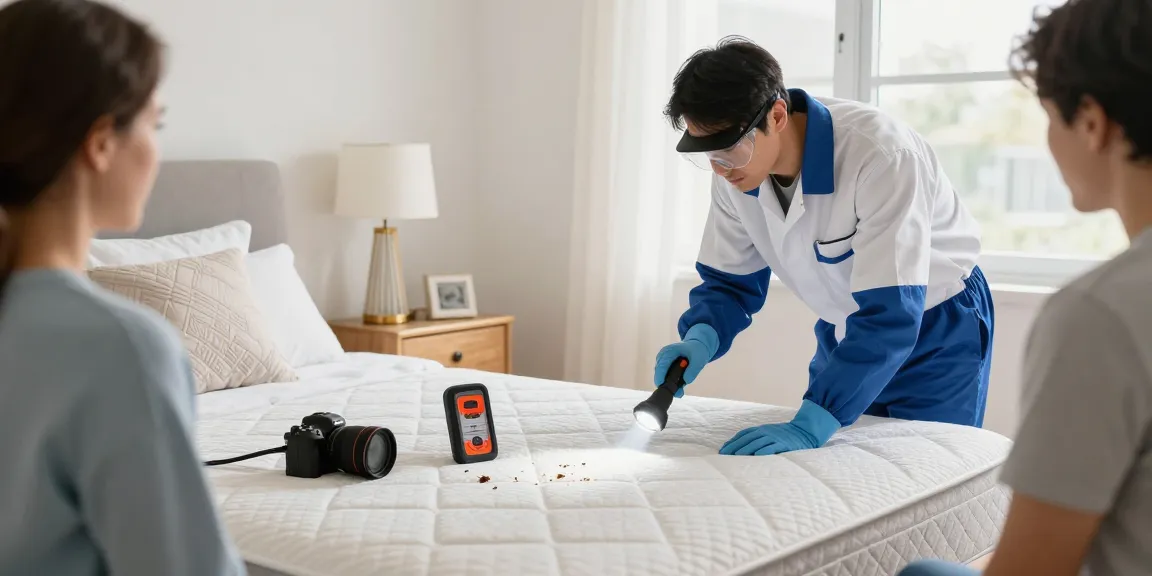
Understanding Bed Bugs and Their Behavior
Bed bugs are tiny, elusive pests that have gained notoriety for their ability to infiltrate homes and businesses, causing significant distress for those affected. Understanding their behavior, life cycle, and the common misconceptions surrounding these pests is crucial for effective management and prevention. With the right strategies and professional help, Milwaukee residents can reclaim their spaces from these unwanted invaders.
What Are Bed Bugs?
Bed bugs, scientifically known as Cimex lectularius, are small, flat, reddish-brown insects that feed on the blood of humans and animals. They are typically about the size of an apple seed, making them difficult to detect. Bed bugs are nocturnal creatures, primarily feeding at night, and can easily hide in cracks, crevices, and folds of fabric, which complicates eradication efforts. For Milwaukee residents, knowing what these pests look like can be the first step in preventing an infestation.
The Life Cycle of Bed Bugs
Bed bugs undergo a straightforward life cycle that includes four stages: egg, nymph, juvenile, and adult. A female bed bug can lay up to 500 eggs in her lifetime, with each egg being about the size of a pinhead. When the eggs hatch, the nymphs emerge, growing through several molts before reaching adulthood. This life cycle can be completed in as little as a month, especially under optimal conditions, allowing populations to expand rapidly.
Common Misconceptions About Bed Bugs
- Bed bugs are only found in dirty places: This is false; bed bugs are excellent hitchhikers and can be found in pristine environments.
- Bed bugs transmit diseases: Currently, there is no evidence that bed bugs spread disease, though their bites can cause significant discomfort and irritation.
- Only the presence of bites indicates an infestation: Bed bugs leave behind evidence like blood spots and fecal stains, which can indicate their presence even before bites occur.
Bed Bug Heat Treatment: How It Works
Among various methods of treating bed bug infestations, Bed bug heat treatment stands out as a highly effective approach. By raising the temperature of affected areas to levels lethal to bed bugs, this method ensures comprehensive eradication, including all life stages from eggs to adults.
What Is Bed Bug Heat Treatment?
Bed bug heat treatment involves heating an infested space to a temperature between 120°F to 145°F (49°C to 63°C). Heating systems are strategically placed throughout the space to ensure even distribution of heat, eliminating bugs hiding in various locations. Unlike chemical treatments, heat can penetrate into fabrics and wall interiors, reaching areas where chemicals might fail to be effective.
Steps Involved in the Treatment Process
- Pre-Inspection: A thorough inspection is conducted to identify infested areas and establish a treatment plan.
- Preparation: Homeowners are advised to prepare their home by decluttering and removing sensitive items that could be damaged by heat.
- Heating: Specialized equipment is set up to increase the ambient temperature of the infested space gradually.
- Monitoring: Throughout the treatment, temperatures are constantly monitored to ensure effectiveness.
- Post-Treatment Inspection: A follow-up inspection confirms the success of the treatment.
Benefits of Heat Treatment Over Chemical Methods
- Effective Against All Life Stages: Heat treatment can kill bed bugs at every stage of their life cycle, including eggs.
- Quick Results: Treatments can often be completed in a single day, allowing families to return to their homes sooner.
- Non-Toxic: Heat treatments do not rely on chemicals, making them a safer option for homes with children and pets.
- Minimal Residue: Unlike chemical treatments, there are no harmful residues left behind after heat treatment.
Preparing Your Home for Bed Bug Heat Treatment
Preparation is crucial for the success of bed bug heat treatment. Properly preparing your home not only maximizes the treatment’s effectiveness but also minimizes potential damage to your belongings.
Essential Steps to Take Before Treatment
- Declutter: Remove excess items from rooms to allow heat to circulate freely.
- Bagged Items: Seal any items that cannot be treated, such as clothing or blankets, in plastic bags to prevent contamination.
- Inform your Pest Control Service: Make sure to disclose any sensitive items or areas that require special care.
Items to Remove or Protect
Before the heat treatment, it’s essential to protect or remove the following items from the affected area:
- Plants and perishable food items should be removed or covered.
- Artwork and electronics, which may be vulnerable to high temperatures, should also be relocated.
- Sentimental items or heirlooms should be carefully evaluated and possibly moved out of the treatment area.
Common Mistakes to Avoid
- Not following preparation guidelines can hinder the treatment’s effectiveness.
- Overlooking hidden areas where bed bugs may be hiding, such as behind baseboards or in upholstery.
- Failing to communicate specific needs and concerns with your extermination team.
What to Expect After Bed Bug Heat Treatment
After a successful bed bug heat treatment, understanding the immediate and long-term effects can help homeowners manage their spaces effectively.
Immediate Results and Follow-Up Actions
Most homeowners can expect to see immediate results following heat treatment as bed bugs are killed on contact with high temperatures. However, a follow-up inspection is crucial to ensure that no residual infestations remain. It’s recommended to monitor the space closely for the first few weeks after treatment for any signs of returning pests.
Signs of Successful Treatment
- No more bites or itching upon waking up.
- Absence of bed bug feces and blood spots on mattresses and bedding.
- Overall peace of mind and comfort returning to your space.
Long-Term Prevention Strategies
To maintain a bed bug-free environment after treatment, consider implementing the following strategies:
- Regular cleaning and inspection of sleeping areas and furniture.
- Using protective covers on mattresses and box springs.
- Staying vigilant during travel and inspecting luggage and hotel rooms carefully.
Frequently Asked Questions About Bed Bug Heat Treatment
How Long Does Heat Treatment Take?
The duration of heat treatment depends on the size and severity of the infestation. Most treatments can be completed within a day, although preparation may require additional time.
Is Heat Treatment Safe for Family and Pets?
Yes, heat treatment is considered safe for families and pets when performed by professionals. It eliminates pests effectively while leaving no toxic residues behind.
How Much Does Bed Bug Heat Treatment Cost?
The cost of bed bug heat treatment can vary based on factors such as the size of the space and the extent of the infestation. On average, homeowners can expect to invest between $1,000 and $2,500 for comprehensive treatments.