Understanding the Image to 3D Transformation Process
The transformation of 2D images into 3D models is a fascinating process that leverages advanced technologies and methodologies. As industries evolve and the demand for immersive experiences grows, the ability to convert images into 3D has seen significant advancements. This technology, known as Image to 3D, allows creators across various fields to create detailed models for applications ranging from gaming to product design.
What is Image to 3D Technology?
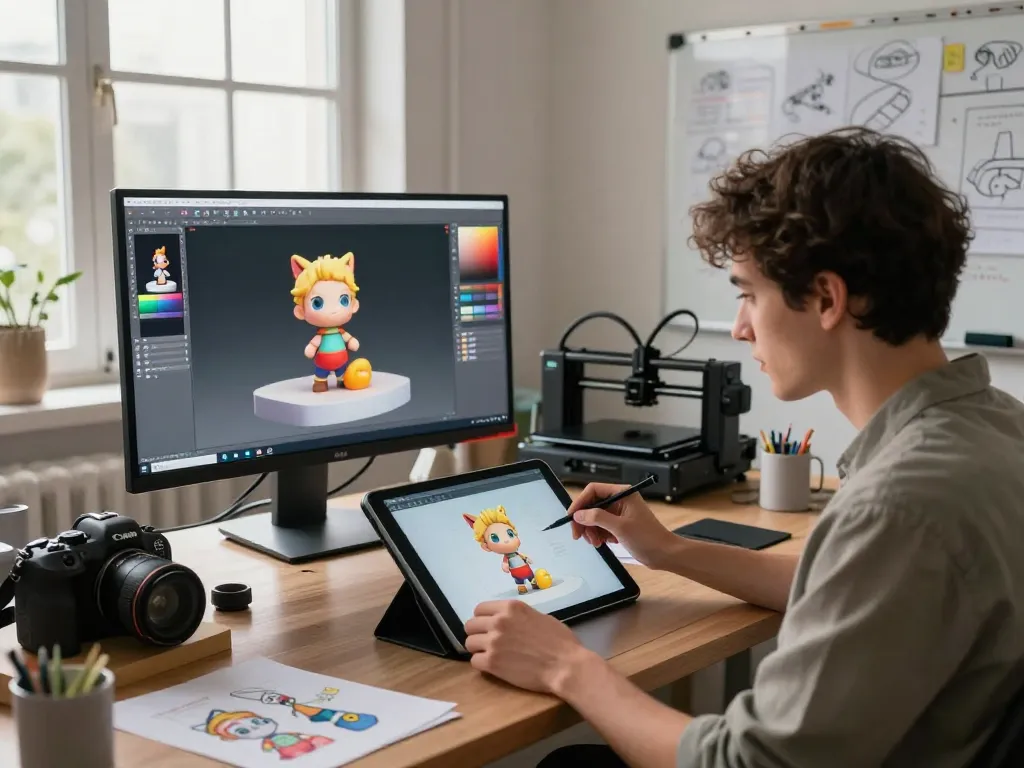
Image to 3D technology refers to the methods and tools used to convert two-dimensional images into three-dimensional representations. This process involves interpreting the depth and structure of the image to produce a model that not only looks realistic but is also functional for various applications, including virtual reality, animation, and 3D printing. The technology simplifies the traditional modeling process, allowing users without extensive design backgrounds to create 3D objects quickly and efficiently.
The Science Behind Converting Images to 3D Models
The conversion process usually employs algorithms and machine learning techniques to analyze the 2D image. The algorithms determine various aspects, such as color gradients, texture, and shape outlines, to generate a 3D representation. This often involves techniques like photogrammetry, which matches multiple images to create a holistic model, or depth mapping, which evaluates the distances between elements within the image. These scientific methods ensure that the resulting models are both accurate and visually appealing.
Common Applications and Use Cases in Various Industries
Image to 3D technology has found applications across diverse sectors. In the gaming industry, developers use this technology to create lifelike characters and environments directly from concept art. In retail, businesses can generate accurate 3D models of products from photos, enhancing online shopping experiences. Moreover, architecture and interior design professionals utilize this technology to visualize projects before construction begins, allowing clients to experience spaces virtually. The versatility of this technology is evident in its expanding use cases.
Best Practices for Successful Image to 3D Conversions
To maximize the effectiveness of image to 3D conversions, several best practices should be adopted. These practices help ensure that the models produced are of high quality and meet the intended project goals.
Selecting the Right Images for 3D Modeling
The first step in the conversion process is selecting suitable images. High-resolution images with distinct outlines and clear features yield better results. It is also beneficial to choose images with varying angles, as this can provide more depth and context for the modeling software. Additionally, images that showcase different textures and colors can enhance the realism of the final 3D model.
Tools and Software for Effective Image to 3D Workflows
Numerous tools and software are available that specialize in image to 3D conversions. Popular options include Meshy AI, Sloyd AI, and Tripo AI, each offering unique features tailored to different user needs. These platforms often utilize AI and machine learning to streamline the process, making it accessible to users regardless of their technical expertise. Evaluating the functionalities of these tools can help users choose the right solution for their projects.
Optimizing Images for Better 3D Output Quality
Image optimization plays a crucial role in achieving high-quality 3D models. This includes adjusting brightness, contrast, and sharpness to ensure that details are preserved during the conversion process. Users can also crop images to focus on specific elements that they want to transform into 3D, thereby improving processing efficiency. A well-prepared image set can lead to more accurate and visually striking 3D results.
Emerging Trends and Innovations in Image to 3D Technology
As technology continues to advance, several trends are beginning to shape the future of image to 3D conversions. Staying informed about these trends can provide insights into where the industry is heading and how it may impact various applications.
AI and Machine Learning’s Role in Improving 3D Modeling
Artificial intelligence and machine learning are at the forefront of enhancements in 3D modeling. These technologies enable software to learn from previous conversions, predicting the best approaches for new images. They can also automate tedious tasks, allowing designers to focus on more creative aspects of their work. As AI evolves, its capabilities in this domain are expected to expand, leading to even more sophisticated model generations.
Future Advancements to Expect by 2026
Looking ahead to 2026, we can anticipate significant advancements in image to 3D technology. Innovations in real-time rendering and processing speeds will likely make it possible to create high-quality 3D models almost instantaneously. As virtual and augmented reality applications become more mainstream, integrating these technologies into the image to 3D workflow will further enhance user experiences. Furthermore, the continuous improvement of user interfaces will facilitate broader access to these powerful tools.
How Virtual Reality is Reshaping 3D Modeling
Virtual reality (VR) is not just a consumer experience; it is also a powerful tool for 3D modeling. By immersing designers in a virtual space, they can interact with their models in real-time, making immediate adjustments and visualizing their projects from multiple angles. This seamless integration of VR technology is redefining the modeling process, leading to more intuitive design experiences and higher quality outputs.
Challenges Faced in Image to 3D Conversions and Solutions
While the technology for converting images to 3D models has advanced significantly, challenges remain. Identifying these hurdles and knowing how to overcome them can lead to more successful projects.
Common Pitfalls in 3D Modeling from Images
One of the common pitfalls in image to 3D modeling is misinterpretation of depth and structure, often resulting in unrealistic models. Additionally, low-quality images can lead to poor outputs, causing frustration for users. Lack of experience with 3D software can also hinder the ability to effectively utilize the generated models.
Strategies to Overcome Technical Limitations
Addressing technical limitations requires a multifaceted approach. First, investing in high-quality images and utilizing advanced tools can drastically improve output. Second, continuous education—whether through online courses or community forums—can enhance skills and understanding of the technologies in use. Finally, seeking feedback from experienced professionals can provide valuable insights that aid in refining techniques and achieving better results.
Real-World Case Studies Demonstrating Successful Transformations
Numerous case studies illustrate how effective the image to 3D conversion process can be. For instance, a furniture company utilized this technology to create 3D models of their products directly from photographs, significantly enhancing their online sales. Similarly, an architect used 3D modeling generated from images to present designs to clients, leading to faster approvals and satisfaction. These examples showcase the practical benefits and transformative potential of this technology across various sectors.
Resources for Mastering Image to 3D Conversion Techniques
To excel in image to 3D conversions, utilizing the right resources is crucial. There are plenty of educational materials available for aspiring 3D designers, from courses to community forums that provide support and insight.
Online Courses and Tutorials for Enthusiasts
Several platforms offer online courses specifically tailored to 3D modeling. Websites like Udemy and Coursera feature comprehensive programs that cover the basics to advanced techniques of image to 3D conversions. Practical, hands-on tutorials can significantly boost one’s understanding and proficiency, making the learning process more engaging.
Community Forums and Support Networks for 3D Designers
Engaging with community forums allows designers to share experiences and solutions. Platforms like Reddit have dedicated threads for 3D modeling discussions, where users can seek help or advice on their projects. Networking in these communities can lead to valuable connections and opportunities for collaboration.
Recommended Software and Tools for Beginners to Experts
Whether you are a beginner or an expert, having the right tools is essential for successful image to 3D conversions. Programs like Blender and SketchUp are great starting points, while advanced users might prefer software such as Autodesk Maya or ZBrush for more detailed work. Understanding the strengths and weaknesses of different tools can help users make informed choices tailored to their project needs.
What are the Best Practices for Quality Assurance?
Implementing quality assurance practices can greatly improve the outcomes of 3D models. Regularly reviewing the model against the original image and performing tests for texture and depth can help identify issues early in the process. Utilizing peer reviews within design teams can also lead to higher quality outputs as fresh perspectives can catch mistakes one might overlook.
How Can I Improve My 3D Modeling Skills?
Improving your 3D modeling skills is a continuous journey. Regular practice combined with studying existing models can enhance your understanding of techniques and aesthetics. Furthermore, participating in design challenges can provide motivation and encourage creative thinking. Continuous learning through resources and community interactions will help refine skills further.