
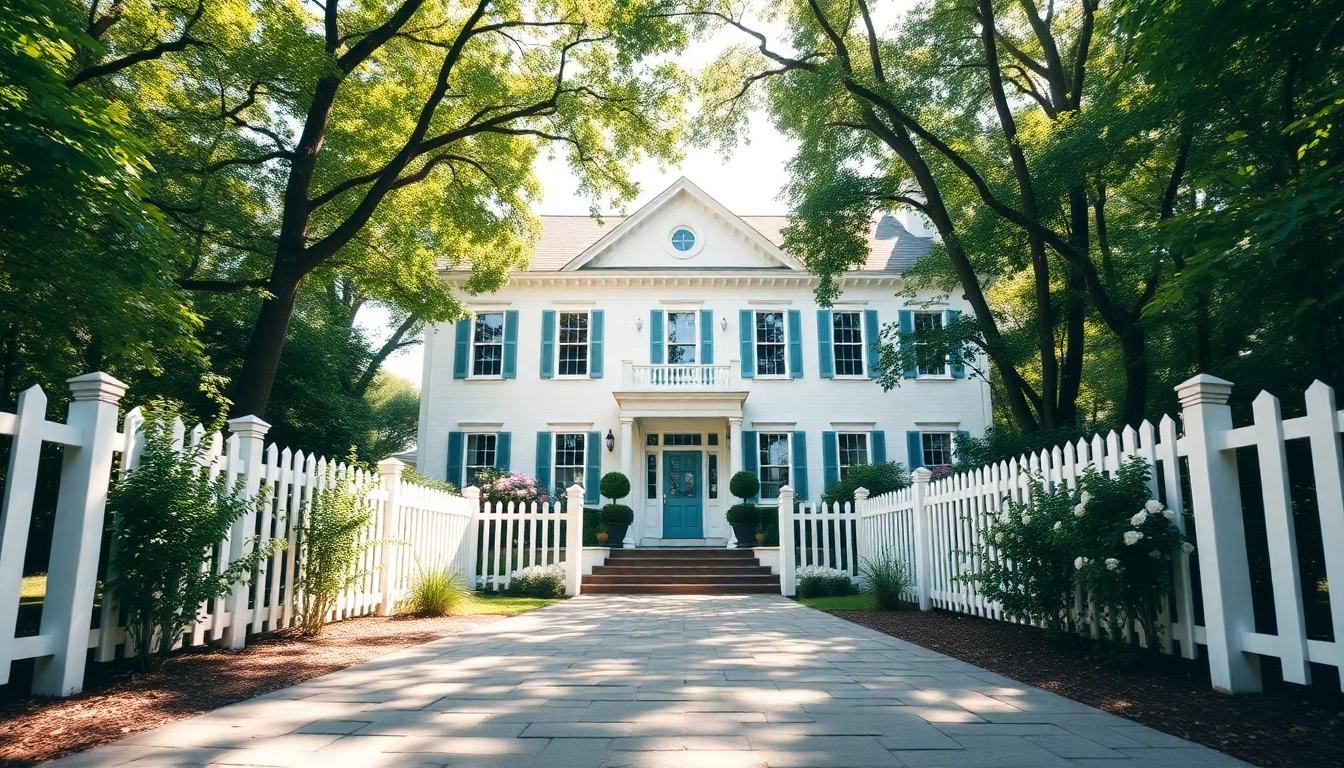
Understanding Colonial Home Renovation
Defining Colonial Home Styles
Colonial homes represent a distinct architectural style originating from America’s colonial period, featuring characteristics that vary by region. Common styles include the Georgian, Federal, and Dutch Colonial, each possessing unique design elements. For instance, Georgian homes often showcase symmetrical facades and prominent doorways, while Federal homes tend to have more elaborate decorative elements. Understanding these styles is essential for any colonial home renovation to maintain historical integrity and enhance aesthetic appeal.
Renovation Goals and Considerations
When embarking on a colonial home renovation, defining your goals is crucial. Are you focused on preserving historical integrity, modernizing amenities, or enhancing energy efficiency? Each goal influences design choices, materials, and techniques. Budget allocation is another key consideration, as colonial renovations can range from cosmetic updates to extensive structural alterations. Setting clear priorities helps streamline the renovation process while achieving a harmonious blend of old and new.
Importance of Historical Accuracy
Preserving historical accuracy is vital in colonial home renovations. This respect for the past not only honors the craftsmanship of earlier builders but also increases property value. Researching authentic materials and techniques can lead to a more successful restoration. Using period-appropriate paint colors, fixtures, and finishes honors the historical essence of the home while catering to modern homeowners’ sensibilities. Hiring knowledgeable professionals who understand the nuances of colonial style is often necessary to maintain historical fidelity.
Planning Your Colonial Home Renovation
Budgeting for Your Renovation Project
Effective budgeting is the cornerstone of any successful renovation. Start by determining your overall budget and breaking it down into categories such as labor, materials, and permits. Be sure to leave room for unexpected expenses, which are common in renovation projects. Researching what similar renovations have cost in your area can provide a targeted estimate tailored to your specific goals and needs. Prioritize spending based on the most impactful elements of your renovation, which will help maximize both functionality and aesthetic appeal.
Creating a Renovation Timeline
Establishing a timeline for the renovation process is essential to keep everything on track. Factors to consider include the scope of work, availability of contractors, and procurement of materials. A clear timeline will help set expectations for yourself and collaborators. It’s useful to break the project into phases—demolition, structural work, and finishing—and set deadlines for each. Regularly revisit your timeline to adjust for any necessary changes based on progress and unforeseen circumstances.
Gathering Necessary Permits
Before kicking off your renovation, it’s crucial to check local building codes and regulations. Most renovations, especially those affecting structural elements, require permits. Failing to obtain these permits can lead to fines or even halt your project. Consultation with professionals can simplify this process, ensuring compliance with all necessary regulations while preserving the architectural integrity of your colonial home. In many cases, historic homes may have additional requirements for maintaining historical accuracy during renovations.
Key Elements of a Colonial Home Renovation
Restoring Architectural Features
One of the main attractions of colonial homes is their distinct architectural features, such as crown molding, wainscoting, and decorative fireplaces. When planning a renovation, focus on restoring these elements to their former glory. Techniques may include refinishing woodwork, replacing damaged sections with historically accurate materials, and ensuring that any new installations blend seamlessly with the existing architecture. Authentic restoration not only preserves history but also enhances the home’s overall character.
Choosing Authentic Materials
Using authentic materials is vital for achieving a successful colonial home renovation. This often means sourcing materials such as brick, wood, and stone that are period-appropriate. Local reclamation yards can be excellent sources for antique materials, which help maintain authenticity. Additionally, working with suppliers who specialize in historic renovations can yield valuable insights on best practices for using these materials in your project.
Incorporating Modern Amenities
While preserving historical elements is essential, incorporating modern amenities can significantly enhance comfort and functionality. Consider integrating energy-efficient windows and updated HVAC systems that blend seamlessly with historic designs. Smart technology, such as security systems and controlled lighting, can be tastefully introduced without compromising the home’s charm. Finding this balance is key to ensuring your colonial home serves the needs of today’s lifestyle.
Working with Professionals
Finding the Right Architect or Designer
Partnering with the right professionals is crucial for achieving success in your renovation project. Architects or designers specializing in historic renovations can offer insights into maintaining original architectural integrity while implementing necessary updates. Look for professionals with a strong portfolio and positive reviews from previous clients to find the right fit for your needs. Additionally, consider their communication style and willingness to collaborate throughout the renovation process.
Collaborating with Contractors
Collaboration with experienced contractors is essential for executing your renovation plan efficiently. Seek out contractors who have experience with colonial home renovations and understand preservation techniques. Clear communication and setting expectations upfront can minimize misunderstandings and ensure that the project stays on schedule and within budget. Regular check-ins throughout the project can help to maintain alignment on goals, timelines, and budgets.
Evaluating Renovation Services
When evaluating renovation services, thorough research is key. Request quotations from multiple contractors and compare their experience and pricing. Look beyond cost—consider the quality of past work and ability to meet deadlines. Knowing your needs and expectations can help ensure that your chosen renovation service aligns with your vision for the colonial home renovation.
Enjoying Your Renovated Colonial Home
Decorating in a Timeless Style
Once renovations are complete, it’s time to focus on decorating to reflect the timeless elegance of colonial homes. Incorporate period-appropriate furnishings and color schemes while ensuring they complement modern living. Choosing classic fabrics, antique furniture pieces, and art that resonates with the historical context can create an inviting atmosphere that feels both authentic and contemporary. A harmonious blend of old and new styles can help make the space feel cohesive and true to its roots.
Maintenance After Renovation
Post-renovation maintenance is critical to safeguarding your investment in a colonial home. Establish a regular cleaning schedule to prevent wear and tear on both historical elements and modern features. Inspections of structural changes should be frequency assessed to address issues before they escalate. Engaging professionals for routine maintenance tasks, such as professional cleaning of historical materials, can help sustain the home’s beauty and integrity over time.
Sharing Your Renovation Journey
Sharing your journey through the colonial home renovation can inspire others and foster a community of like-minded individuals. Documenting each stage of the process through photography or blogging not only serves as a personal keepsake but also provides valuable insights for others considering similar projects. Moreover, participating in local historical societies or visiting home shows can allow you to connect with others who appreciate the beauty of colonial architecture, fostering community engagement and pride in historical preservation.
FAQs
What are the key characteristics of colonial homes?
Colonial homes are known for their symmetry, gabled roofs, frequently central chimneys, and decorative details. Styles vary regionally, each showcasing unique elements.
How do I choose the right materials for renovation?
Opt for period-appropriate materials like wood, brick, or stone. Always research local sources for authentic materials that reflect the home’s history.
What should I consider before starting a renovation?
Consider your goals, budget, and timeline. Research necessary permits and potential impacts on the home’s historical integrity before beginning.
How can I maintain the charm of a colonial home?
Focus on restoring original features, using authentic materials, and incorporating decor that reflects historical context while blending modern comforts.
What is the best way to manage renovation timelines?
Break the project into phases, set clear deadlines for each phase, and regularly check progress to adapt the timeline as needed based on circumstances.


