
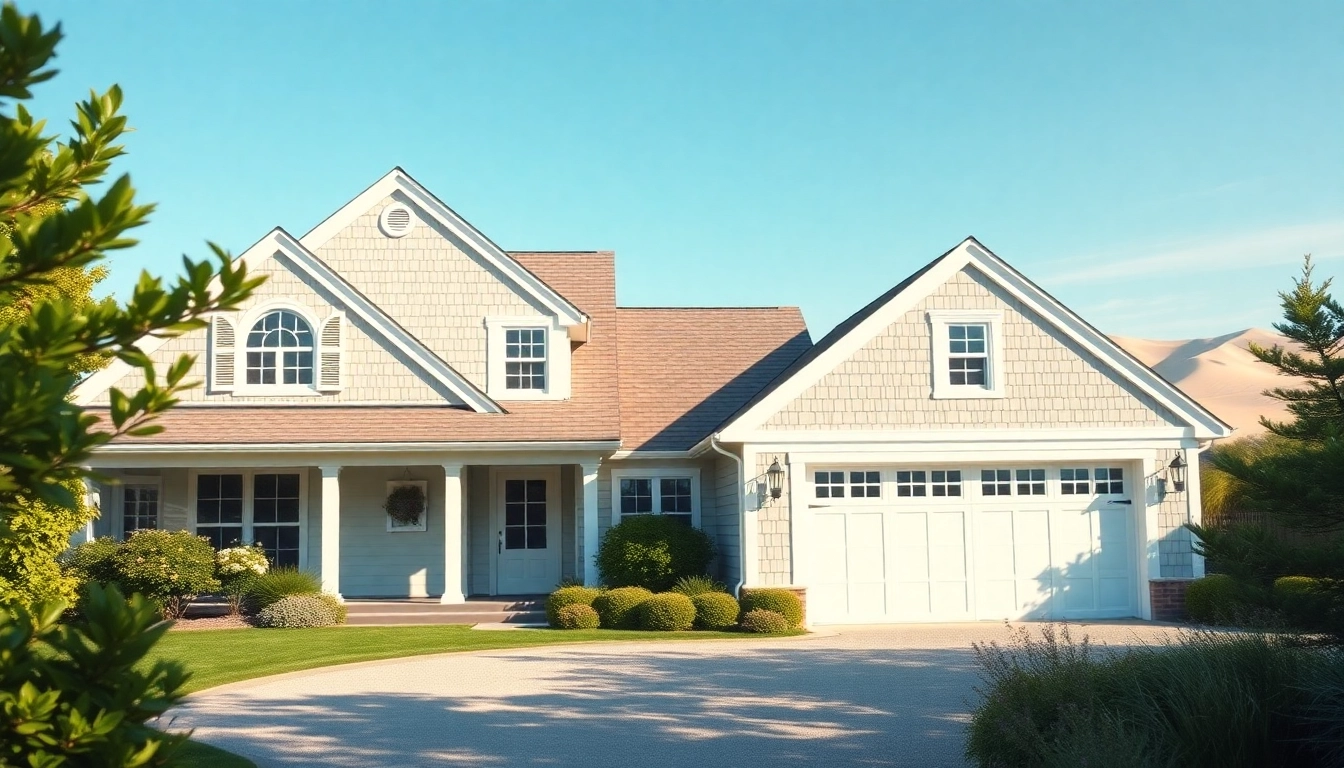
Understanding Cape Cod Homes
History and Characteristics of Cape Cod Homes
Originating in the 17th century, cape cod homes are a testament to New England’s architectural heritage. These homes were initially designed to withstand harsh Atlantic weather and were characterized by their steep roofs, broad eaves, and simple, rectangular shapes. The original Cape Cod home was a one-and-a-half-story structure with little ornamentation, utilized primarily for practicality rather than aesthetics. Historically, they served as humble dwellings for seafaring families, reflecting a blend of Puritan and Colonial styles, which emphasized functionality and durability.
Key Features of Traditional Cape Cod Homes
The quintessential Cape Cod home often features several distinctive elements. First, the steeply pitched roof is integral, typically set at a 45-degree angle to prevent snow accumulation. Dormer windows adorn the upper floors, enhancing natural light and providing additional space. The exterior is often clad in wood siding, painted in muted coastal colors, harmonizing with the landscape. Traditional Cape Cod homes also feature symmetrical facades with central front doors flanked by multi-paned windows, fostering a welcoming appearance.
The Appeal of Cape Cod Architecture Today
Today, cape cod homes remain popular not just for their historical significance but also for their timeless appeal. Modern homeowners are drawn to these houses for their adaptability and blend of classic and contemporary design elements. As families look for ways to expand their living spaces, the Cape Cod style provides a versatile canvas, allowing for modifications like open floor plans, expansive porches, and modern amenities while retaining the home’s original charm.
Planning Your Home Expansion
Assessing Space: What You Need to Know
Before embarking on a home expansion project, conduct a thorough assessment of your current living space. Consider your family’s needs—do you require additional bedrooms, expanded common areas, or perhaps a home office? Evaluating the available lot space is just as important; understanding your neighborhood’s regulations and the potential for zoning changes will guide your expansion options effectively.
Design Considerations for Cape Cod Homes
When expanding a Cape Cod home, it’s essential to maintain the traditional style. This means incorporating design elements that echo the existing architecture, such as using similar materials, sticking to the characteristic muted color palette, and ensuring any new additions are in scale with the original structure. Consult with a qualified architect or designer experienced in traditional New England architecture to ensure cohesiveness in your design plans.
Permits and Regulations: A Guide
Attempting to expand your Cape Cod home without obtaining the necessary permits can lead to significant legal issues. Begin by reviewing local zoning laws and building codes, which vary widely based on location. Contact local authorities to understand the specific permits needed for your project. Engaging with a professional can ease this process, as they have experience navigating regulatory frameworks.
Incorporating Attached Garages
Benefits of Adding an Attached Garage
One of the most practical expansions for any home, especially Cape Cod designs, is an attached garage. These additions provide a safe, sheltered environment for vehicles against harsh weather conditions and can also serve as storage space for tools and outdoor equipment. Moreover, an attached garage can increase the overall value of your property, offering potential future buyers convenience and extra amenities.
Design Styles for Garages in Cape Cod Homes
When designing an attached garage to harmonize with your Cape Cod home, consider several styles. A gable roof garage mimics the steep pitch typical to Cape Cod architecture, fostering a cohesive aesthetic. Vertical siding, painted in the same color as the house, along with traditional garage doors that feature paneling can further enhance stylistic unity. It’s crucial to ensure that new designs are not only functional but also complement the existing home structure.
Materials and Construction Tips
For the construction of an attached garage, select materials that align with existing home features. Wood siding is often a suitable choice, providing both durability and a cohesive look. When planning your construction, consider energy-efficient insulation and lighting, which can enhance usability and comfort in your new garage. Always consult with a certified contractor to ensure safety standards are met and to understand the nuances of building codes related to garage construction.
Landscaping and Outdoor Spaces
Enhancing Curb Appeal of Cape Cod Homes
Landscaping plays a crucial role in enhancing the curb appeal of Cape Cod homes. Simple, elegant landscaping with symmetrical layouts and native plants can beautifully complement the home’s architecture. Incorporating features such as stone pathways, uniform hedges, and flower beds can create a welcoming atmosphere. Lighting elements along walkways can also provide both functionality and aesthetic appeal, making the home accessible at night.
Creating Functional Outdoor Spaces
Outdoor spaces can significantly extend a home’s livable area. This is especially important for Cape Cod homes, where a welcoming outdoor environment is part of the coastal lifestyle. Consider additions like a deck or patio integrated with the house design, providing ideal spaces for entertaining or relaxation. Furniture should be weather-resistant, and the use of sails or umbrellas can offer shade, making outdoor spaces comfortable throughout warmer months.
Choosing Plant Life that Complements Your Home
Choosing the right plant life can elevate the aesthetics of any Cape Cod home. Opt for low-maintenance, native species that thrive in coastal environments. Plants such as hydrangeas, beach grass, and sea oats can create a natural, enduring beauty around your home. Use plants in varying heights and colors to create depth and interest, while ensuring that they are strategically placed to complement the home’s existing features.
Frequently Asked Questions
What makes Cape Cod homes unique?
Cape Cod homes are recognized for their steep roofs, symmetry, and dormer windows, which embody New England’s coastal architectural style.
How do I expand my Cape Cod home?
To expand your Cape Cod home, assess your space needs, obtain necessary permits, and maintain design elements that complement its traditional style.
What are the benefits of an attached garage?
Attached garages offer convenience, protecting vehicles and stored items from elements while enhancing property value through added functional space.
How can I improve my home’s curb appeal?
Enhancing curb appeal can involve landscaping, fresh paint choices, and architectural details like shutters or new doors to boost visual attractiveness.
What materials work best for Cape Cod homes?
Natural materials like wood and stone lend authenticity to Cape Cod homes, so consider shades that harmonize with the coastal color palette for coherence.


