Introduction to the Sandakphu Trek
The sandakphu trek is not just any trek; it is a spectacular journey that unfolds the majestic Himalayan landscape at its finest. Nestled in the Singalila National Park, this trek is renowned for offering panoramic views of four of the highest peaks in the world: Mount Everest, Kangchenjunga, Lhotse, and Makalu. Each bend of the trail exposes trekkers to breathtaking vistas, stunning flora, and a rich tapestry of cultures along the way. Whether you are an experienced mountaineer or a novice hiker, the Sandakphu trek presents an unparalleled experience that is rewarding both physically and mentally.
What Makes Sandakphu Trek Unique?
What sets the Sandakphu trek apart from other treks in the region is its strategic location on the India-Nepal border, providing trekkers an opportunity to experience the interplay of two distinct cultures. Its unique biodiversity, high-altitude flora and fauna, and the stunning blanket of rhododendron flowers in bloom during season make for a vibrant trek. Moreover, the ability to catch glimpses of the ‘Sleeping Buddha’ formation, comprising the majestic peaks of the Himalayas, offers an awe-inspiring backdrop that captivates trekkers. The pristine beauty, combined with rich cultural experiences and visibility of the world’s tallest peaks, makes the Sandakphu trek extraordinarily unique.
Overview of the Trekking Trail
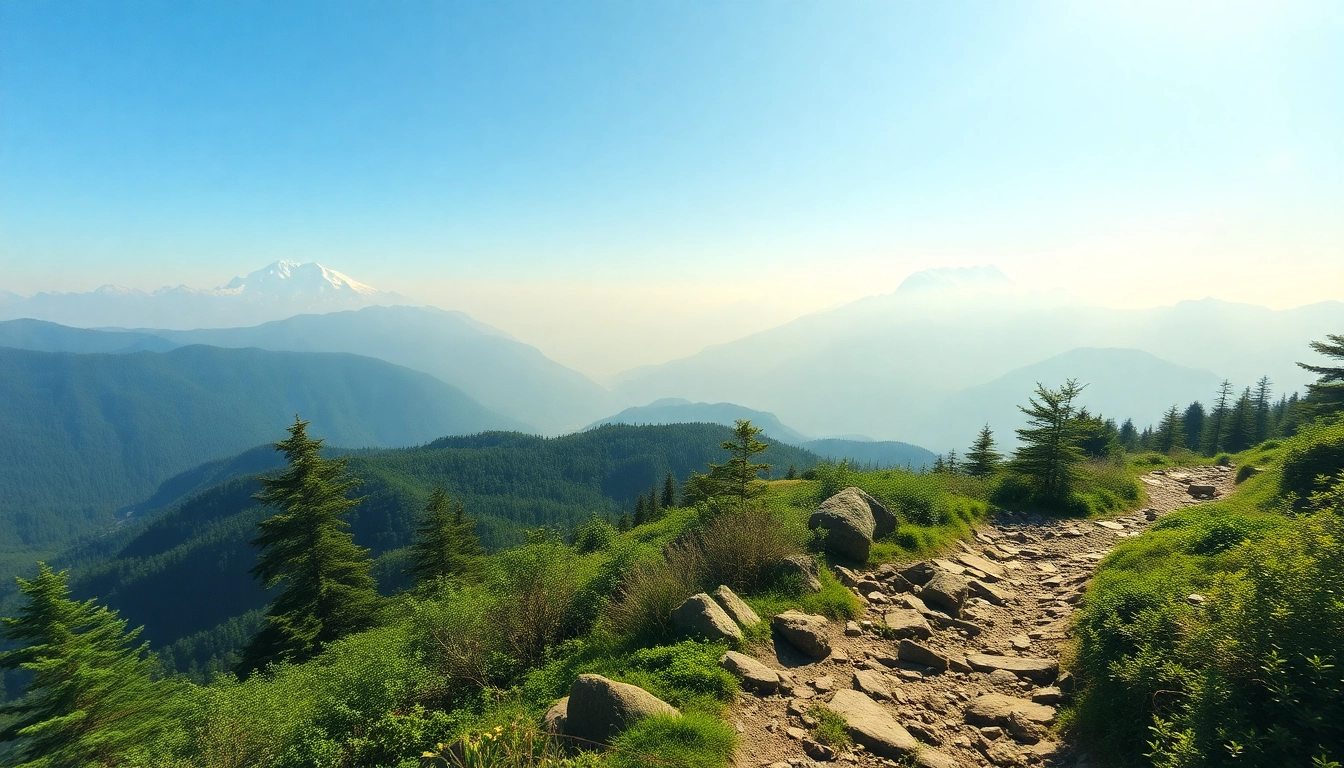
The Sandakphu trek typically spans about 51 km, usually completed over a course of approximately 6 days. The trek commences from the small village of Mane Bhanjang and ascends to Sandakphu, the highest point standing at an elevation of 3,636 meters (11,929 feet). The trail ranges from gentle slopes to steeper climbs, making it moderately challenging. Trekkers can expect to navigate diverse terrains including lush forests, scenic meadows, and rocky paths that lead to breathtaking viewpoints. As you ascend, the air grows thinner, and the vistas expand, rewarding trekkers with views of the majestic Himalayas.
Best Time to Embark on the Sandakphu Trek
Timing your trek is crucial for experiencing the best views and enjoying a pleasant trekking experience. The ideal months to embark on the Sandakphu trek are March to June and September to November. During these months, the weather is generally clear, with minimal rainfall, providing breathtaking visibility of the surrounding peaks. Spring months witness blooming flora, while autumn offers crisp air and stunning golden hues. Trekkers should avoid the monsoon season (June to August) due to heavy rains, which can result in slippery trails and obscured views.
Preparing for the Sandakphu Trek
Essential Gear and Equipment
Preparation is key to an enjoyable trekking experience. The right gear can make all the difference in ensuring safety and comfort. Essential items include:
- Footwear: A sturdy pair of hiking boots designed for rugged terrain.
- Clothing: Layered clothing that is moisture-wicking, thermal, and waterproof will protect against changing weather conditions.
- Backpack: A comfortable backpack that fits well, equipped with rain covers.
- Sleeping Gear: A lightweight sleeping bag suitable for cold temperatures during nights at higher altitudes.
- Navigation Tools: Maps, compasses, and mobile apps for tracking progress along the trail.
- First Aid Kit: Always travel with a well-stocked first aid kit; essentials include antiseptics, bandages, and altitude sickness medication.
Other items like trekking poles, LED torch, water bottles, and water purifying tablets should not be overlooked. Proper conditioning and familiarizing yourself with the gear before the trek will also enhance your overall experience.
Physical Preparation for Trekkers
The Sandakphu trek requires good physical fitness. A robust fitness regime that includes cardiovascular exercises, strength training, and flexibility exercises will prepare you for the physical demands of the trek. Start training at least a few weeks before the trek, progressively increasing the duration and intensity of your workouts. Hiking shorter trails or engaging in indoor cardio exercises will help familiarize your body with long-distance walking. Additionally, acclimatization exercises will aid your body in adjusting to higher altitudes.
Safety Tips and First Aid
Trekking in high-altitude environments presents unique challenges. Ensuring your safety should be a priority. Here are critical safety tips:
- Acclimatization: Ascend gradually to allow your body to adjust to decreased oxygen levels.
- Hydration: Drink plenty of water to prevent dehydration, especially during strenuous efforts.
- Be Aware of Symptoms: Familiarize yourself with the symptoms of altitude sickness, such as headaches, nausea, and dizziness. Immediate descent is crucial if symptoms occur.
- Travel in Groups: Trekking with companions increases safety and support.
- Emergency Contacts: Know the location of the nearest medical facilities and have local emergency numbers at hand.
Being prepared and educated about potential risks associated with trekking limitations and altitude sickness is imperative for a successful and enjoyable journey.
Navigating the Sandakphu Trek
Route and Itinerary Highlights
Day one generally takes trekkers from Mane Bhanjang to Chitrey through rich forests and local villages where one can witness the daily life of the villagers. The second day continues towards Meghma, with breathtaking views of the valley and peaks. Day three reaches Kalapokhri, where trekkers often come across a serene lake. The final ascent on day four takes trekkers to the summit of Sandakphu, where the enthralling views of Everest and Kanchenjunga await. The trek route is not just a path; it’s a journey through diverse ecosystems – rhododendron forests, mountain streams, and rolling hills.
Accommodation Options Along the Route
The trek offers various accommodation options ranging from budget lodges and tea houses to more comfortable homestays. These accommodations typically cater to trekkers, providing basic amenities and hearty meals tailored for mountain expeditions. It’s recommended to book accommodations in advance during the peak seasons to secure your spot, particularly in popular locations like Sandakphu and Kalapokhri.
Local Culture and Cuisine Experiences
As you trek along, the local culture integrated with the Gorkha community offers a unique culinary experience. Trekkers can savor local dishes such as ‘dal bhat’ (rice and lentils), ‘thukpa’ (noodle soup), and a variety of flavorsome teas. The warm hospitality of the locals, often sharing stories of the region’s history and culture, adds a profound layer to the trekking experience.
Challenges and Rewards of the Sandakphu Trek
Common Challenges Faced by Trekkers
Trekking at high altitudes brings several challenges. Some common issues include:
- Altitude Sickness: As altitude increases, oxygen levels decrease, leading to potential altitude sickness.
- Weather Changes: Weather conditions can change abruptly, requiring preparedness for rain, fog, and cold temperatures.
- Physical Strain: Long hours of walking over rugged terrains can lead to exhaustion.
Being prepared and informed about these challenges and taking precautionary steps can significantly enhance the trekking experience.
Visual Rewards Along the Trek
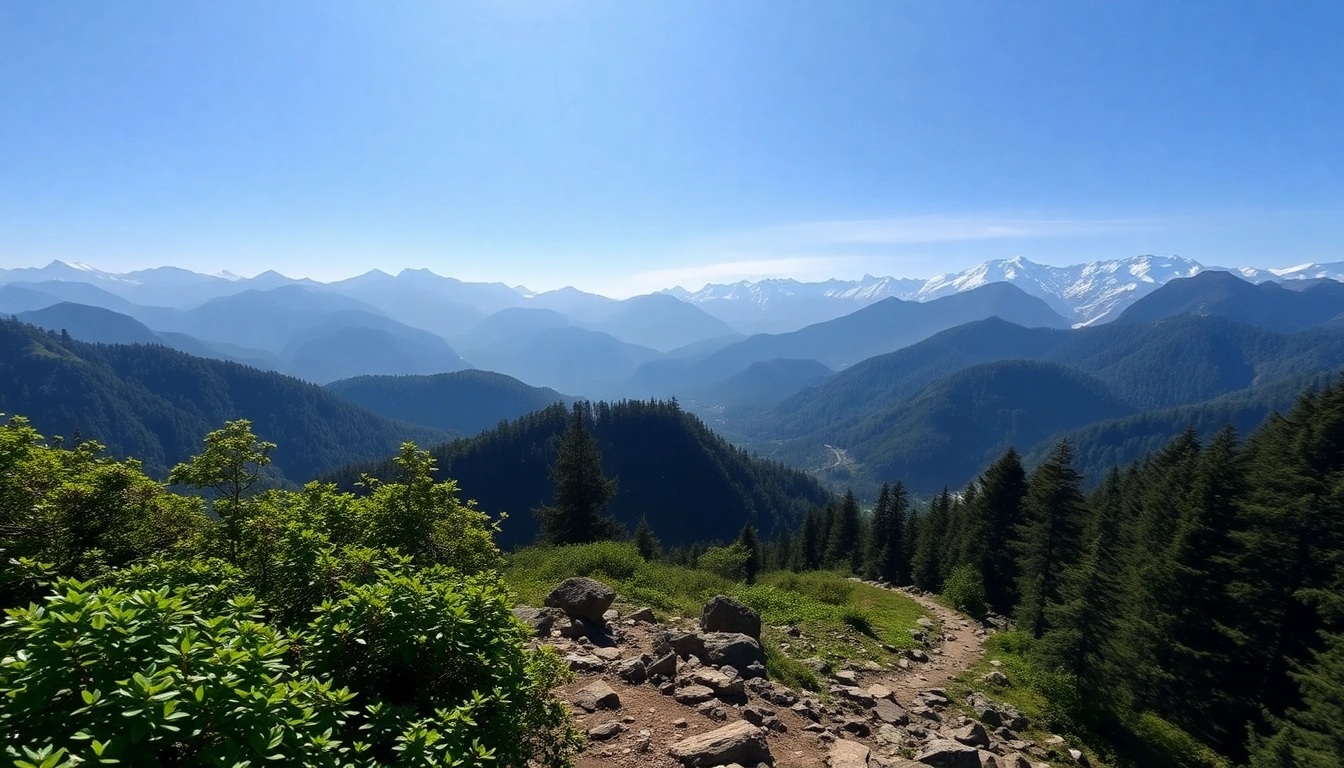
The Sandakphu trek delivers a feast for the eyes. Each viewpoint is a picture-perfect setting, ranging from scenic ridges to panoramic views that leave trekkers in awe. The perspective of the ‘Sleeping Buddha’ peak formation comprising Mount Everest, Kanchenjunga, Makalu, and Lhotse is undoubtedly a highlight. Sunrises and sunsets cast a golden hue over these mighty peaks, creating postcard-worthy images against indigo skies.
Memorable Experiences to Cherish
The journey through diverse landscapes, cultural encounters with the locals, and intimate moments of solitude in nature culminate in truly memorable experiences. Stargazing at night in the unpolluted sky, the simplicity of life in a mountain village, and camaraderie developed with fellow trekkers contribute to creating lifelong memories. These experiences foster a deep appreciation for nature and resilience, enriching the trekkers’ souls long after they complete their journey.
FAQs about the Sandakphu Trek
How Difficult is the Sandakphu Trek?
The Sandakphu trek is generally rated as moderate; however, it can be challenging for those unaccustomed to long-distance hiking. While on weekends the trails may feel more accessible, trekkers should prepare for altitude and physical demands.
What Are the Best Months for the Sandakphu Trek?
The best months for the Sandakphu trek are March to June and September to November. During these times, weather conditions are usually stable, with plenty of sunshine and minimal rain.
Can Beginners Undertake the Sandakphu Trek?
Yes, beginners can undertake the Sandakphu trek if they are in good physical shape. The trek involves moderate difficulty, along with steep climbs and descents.
What is the Total Distance of the Sandakphu Trek?
The total distance of the Sandakphu trek is approximately 51 km, typically divided into six days of trekking with varying distances each day, allowing for ample time to enjoy views and recover.
Can You See Mount Everest from Sandakphu?
Yes, one can see Mount Everest along with other towering peaks like Kangchenjunga from Sandakphu’s summit, which is an extraordinary experience for trekkers, adding to its allure.