
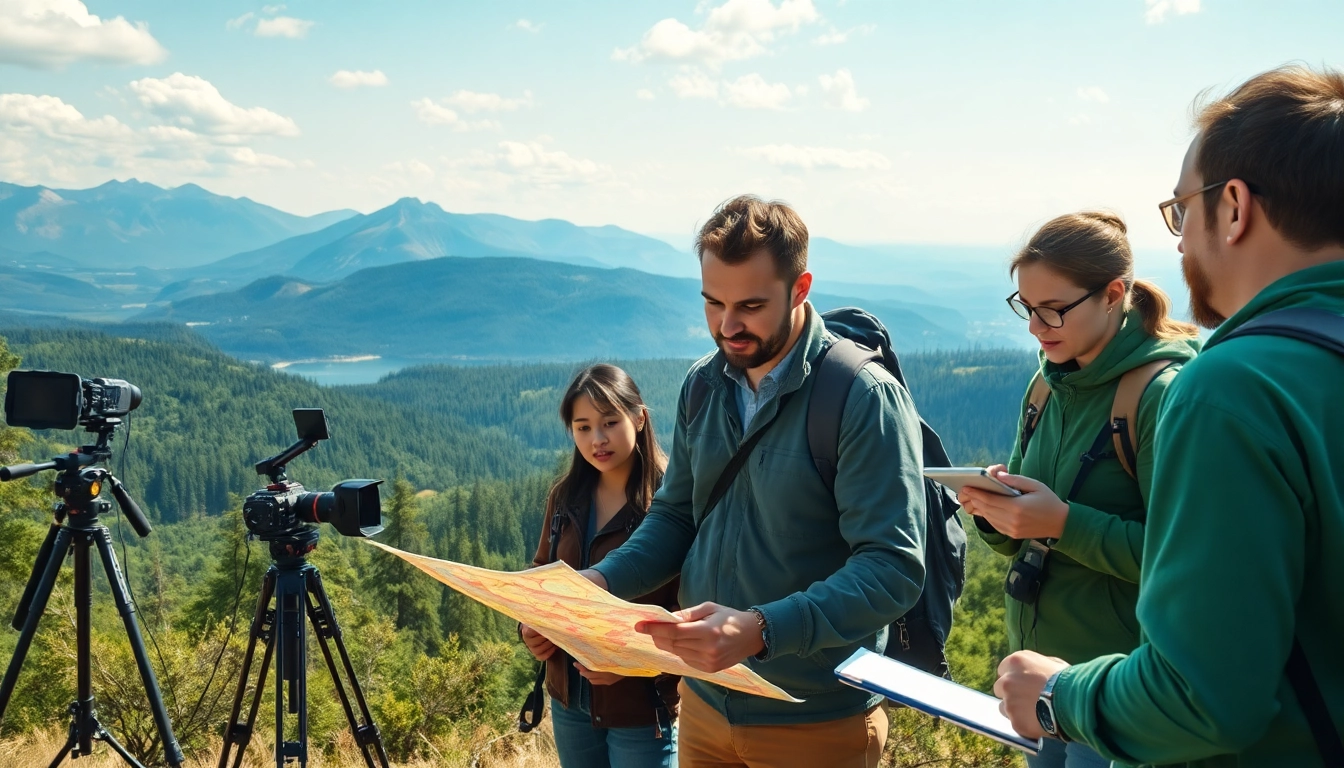
Understanding Location Scouting
What is Location Scouting?
Location scouting is the art and science of finding suitable locations to film a project, whether it be a movie, television show, or commercial. This process involves assessing physical settings to determine their feasibility for filming. It goes beyond simply finding a picturesque backdrop; it encompasses evaluating aspects such as lighting, sound, and accessibility. A location scout must consider how a particular site fits within the narrative, aesthetics, and logistical requirements of the production. The ultimate goal is to create a compelling visual narrative that enhances storytelling.
Importance of Location Scouting in Filmmaking
The significance of location scouting cannot be overstated. The right location can elevate a film’s production value, contribute to world-building, and enhance the audience’s overall experience. Locations serve as a character within the story, influencing the mood and tone, whether it’s a bustling urban landscape or a serene natural setting. Moreover, effective scouting helps avoid potential bottlenecks during filming by preemptively addressing challenges, ultimately saving time and money. For this reason, Location scouting is a vital component of the filmmaking process.
Key Elements of Effective Location Scouting
Effective location scouting hinges on several key elements:
- Accessibility: Can the crew and equipment easily reach the site?
- Lighting: How will natural light impact the scenes? Consider the time of day and season.
- Sound: Evaluate potential noise pollution from nearby traffic, construction, or wildlife.
- Aesthetic Compatibility: Does the site fit the film’s narrative and visual style?
- Permitting and Regulations: Are there legal considerations for shooting in chosen locations?
Essential Tools for Location Scouting
Photography Equipment for Location Scouting
Photography plays a crucial role in location scouting, as visual documentation helps filmmakers make informed decisions. A good-quality camera allows scouts to capture high-resolution images that reflect different times of day and angles. Tripods are beneficial for stability, especially during low-light conditions. Additionally, incorporating drones can provide unique aerial perspectives of potential filming sites, revealing advantages and drawbacks that may not be visible from the ground.
Digital Resources for Location Scouting
There are various digital tools and platforms that enhance the location scouting process. Google Earth allows scouts to explore potential locations remotely, while social media platforms can provide inspiration and insights from other filmmakers. Location databases, which compile user-generated content, offer a wealth of information and visuals from different sites, streamlining the scouting process.
Software Solutions to Enhance Location Scouting
Several software solutions can simplify the organization of location scouting efforts. Applications like Movie Magic Location Manager facilitate tracking various locations, along with their associated notes and requirements. Such software allows filmmakers and crew members to easily communicate and collaborate, ensuring that everyone is informed about location specifics.
Best Practices for Successful Location Scouting
How to Plan a Location Scouting Trip
Proper planning is crucial when embarking on a location scouting trip. It involves creating a comprehensive itinerary that outlines the locations to be visited, transport logistics, and any necessary permits or permissions. Additionally, consider bringing along essential crew members, such as the director or cinematographer, to get their insights during scouting. Make time for spontaneous exploration, as hidden gems can often yield unexpected results.
Building a Location Scouting Checklist
Creating a location scouting checklist can streamline the decision-making process. Key elements to include may be:
- Location Name and Address
- Aesthetics (color palette, style)
- Accessibility and Parking Facilities
- Available Amenities (restrooms, power supply)
- Local Regulations and Permitting Requirements
Conducting On-site Assessments During Location Scouting
Once on-site, conducting a thorough assessment is imperative. Take detailed notes and photographs, focusing on aspects like lighting conditions at different times and specific angles that work best for the scenes planned. Engaging local resources can also provide invaluable insights about the location’s history and community vibe, which might influence filmmaking decisions.
Common Challenges in Location Scouting
Addressing Accessibility Issues in Location Scouting
Accessibility can be a significant challenge in location scouting. High-quality locations may be difficult to access due to environmental conditions or logistical hurdles. It is vital to assess the practicality of transporting cast and crew, especially for remote or natural settings. Always have contingency plans in place, like alternative locations or transportation options, to avoid delays during filming.
Weather and Environmental Considerations in Location Scouting
Weather conditions play a critical role in location scouting. Harsh weather can hamper filming efforts and affect the visuals being captured. It’s essential to conduct thorough research on seasonal weather patterns and be prepared with backup plans. Keeping a flexible shooting schedule allows filmmakers to harness favorable weather conditions for outdoor shooting.
Managing Budget Constraints During Location Scouting
Budget constraints can limit the scope of location scouting. Careful planning and prioritization of locations can help mitigate costs. Consider locations that offer a variety of visual styles within close proximity, reducing transportation expenses. Additionally, negotiating favorable terms with local authorities and businesses can help secure cost-effective permits or rental fees.
Case Studies: Successful Location Scouting
Iconic Films and Their Location Scouting Successes
Several iconic films are celebrated not just for their storytelling but for the locations that brought them to life. For example, “Lord of the Rings” successfully utilized New Zealand’s diverse landscapes, creating a stunning visual narrative that captured audiences worldwide. The meticulous scouting and selection of these breathtaking locations played a pivotal role in the film’s success, demonstrating the power of effective location scouting.
Innovative Approaches to Location Scouting
Innovative techniques in location scouting have revolutionized the filmmaking process. For instance, some filmmakers leverage virtual reality to explore digital representations of locations, allowing them to ‘walk through’ spaces before physically visiting. This technology accelerates decision-making and enhances accessibility for filmmakers who may be working remotely or under tight schedules.
Lessons Learned from Location Scouting Mistakes
Learning from mistakes is an invaluable part of the location scouting process. A well-known case involved a production that did not thoroughly assess a location for noise pollution, resulting in interruptions during filming. This scenario underscores the importance of conducting thorough assessments and due diligence, ensuring that each chosen location aligns with the production’s specific needs.
Frequently Asked Questions (FAQs)
1. What is the role of a location scout?
A location scout is responsible for identifying and evaluating potential filming sites to ensure they fit the story and logistical requirements of a project.
2. How can weather affect location scouting?
Weather can significantly influence the filming process, impacting lighting, sound quality, and the overall aesthetic of the scene being shot.
3. What tools assist in location scouting?
Photographic equipment, drones, and specialized software for tracking and managing locations are essential tools that facilitate effective location scouting.
4. Why is accessibility crucial in location scouting?
Accessibility determines how easily cast and crew can reach a location, affecting logistics, transport, and overall production efficiency.
5. How do budget constraints impact location choices?
Budget constraints can limit options, necessitating creative solutions like prioritizing locations that offer multiple looks or negotiating fees with local authorities.