
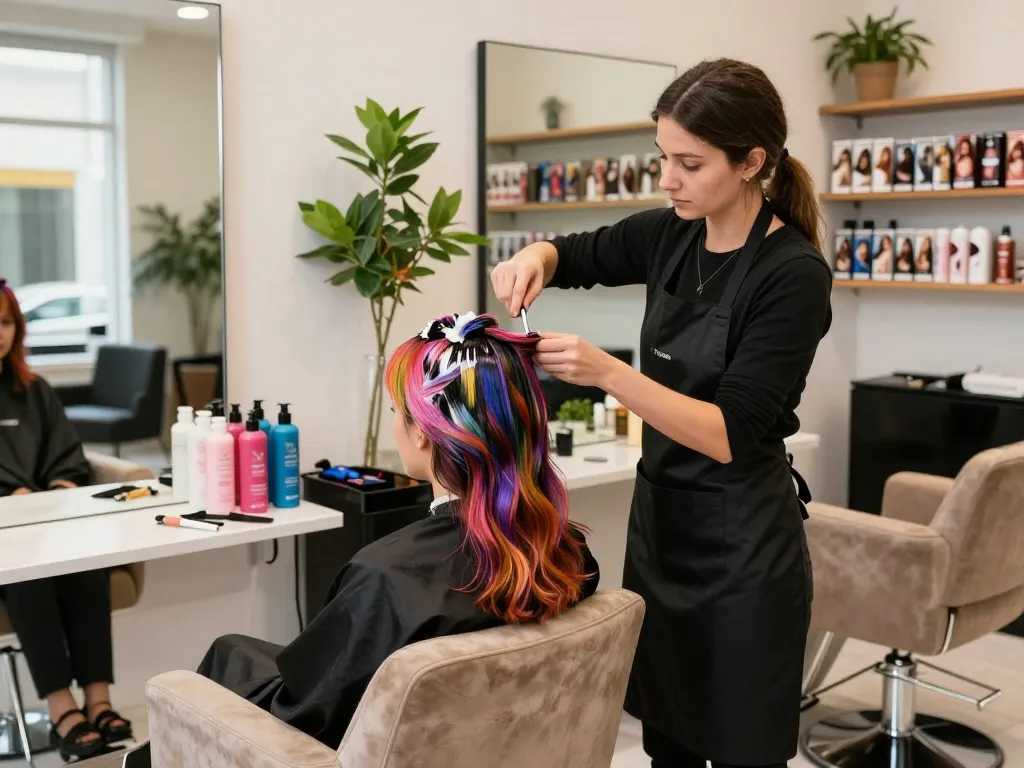
Understanding the Role of a Hair Colour Specialist
The world of hair colour is both an art and a science, and at its forefront are hair colour specialists. These professionals possess a deep understanding of colour theory, hair types, and the latest trends, enabling them to transform dull locks into vibrant masterpieces. If you’re considering a new hair colour or seeking expert advice, consulting with a hair colour specialist can be a game-changer.
What Makes a Hair Colour Specialist Different?
Unlike general hairstylists, hair colour specialists have dedicated their careers to mastering the intricacies of colour application. They are trained to understand how colour interacts with different hair types, textures, and skin tones. This expertise allows them to recommend the best shades and techniques tailored to individual needs, ensuring that every client leaves feeling fabulous and confident.
Essential Skills Required for Success
A successful hair colour specialist must possess a variety of skills including:
- Colour Theory Knowledge: Understanding the colour wheel and how different shades can enhance or detract from a person’s natural features.
- Technical Skills: Proficiency in various colouring techniques such as balayage, foiling, and colour melting.
- Consultation Skills: The ability to listen to clients and translate their desires into achievable results.
- Problem Solving: Expertise in fixing colour mishaps and correcting unwanted tones.
Importance of Continued Education in Hair Colouring
The beauty industry is ever-evolving, with new techniques and products emerging regularly. Continuous education is crucial for hair colour specialists to stay ahead of trends and maintain their skills. Workshops, certifications, and hands-on training can significantly enhance a stylist’s ability to deliver exceptional results.
Popular Hair Colour Techniques in 2026
The realm of hair colouring is continuously evolving, providing clients with an array of options to express their style. From subtle highlights to vibrant hues, here are some popular techniques trending in 2026.
Balayage vs. Traditional Highlights: What’s Best for You?
Balayage continues to dominate the hair colouring scene due to its natural, sun-kissed appearance. Unlike traditional highlights that are applied using foils, balayage involves hand-painting dye onto the hair for a more organic look. The choice between these techniques largely depends on your desired end result and maintenance level.
The Rise of Vivids and Fantasy Colours
As consumer preferences shift towards bold and vibrant shades, vivid colours such as blues, pinks, and greens are becoming increasingly popular. These colours require careful application and maintenance, making expertise crucial for optimal results.
Choosing the Right Technique for Your Hair Type
Different hair types respond uniquely to various colouring techniques. Fine hair may require softer shades and delicate highlights, while thick hair can handle more vibrant colours and heavier applications. Consult with a specialist to determine the best approach for your specific hair type.
Consultation: The First Step to Your Dream Hair
Before diving into a major colour change, a consultation with a hair colour specialist is essential. This initial meeting sets the foundation for a successful transformation.
Key Questions to Ask Your Hair Colour Specialist
During your consultation, consider asking:
- What colour options would best suit my skin tone?
- How will this colour change affect the health of my hair?
- What products do you recommend for maintaining my colour?
Understanding Colour Theory with Your Stylist
Having a grasp of colour theory can foster better communication with your stylist. Understanding terms like “undertone” and “saturation” can help clarify your colour goals and prevent misunderstandings.
Setting Realistic Expectations for Results
It’s important to have realistic expectations because the process of achieving your desired hair colour might take multiple sessions, especially with more complex techniques like balayage or colour corrections. Your specialist will guide you through what’s achievable based on your hair’s current condition.
Maintenance and Aftercare for Coloured Hair
Maintaining the vibrancy and health of coloured hair is essential to achieving long-lasting results. Proper aftercare can significantly extend the life of your colour.
Best Products for Long-Lasting Colour
Investing in high-quality, sulphate-free shampoos and conditioners can help preserve your colour. Look for products specifically designed for coloured hair to prevent fading and maintain moisture.
Creating a Hair Care Routine for Different Hair Types
Your hair care routine should be customized based on your specific hair type and the colouring technique used. For instance, those with dry or damaged hair may benefit from deep conditioning treatments, while those with vibrant colours might need special colour-protecting products.
When to Schedule Touch-Ups for Optimal Results
Regular touch-ups are vital for maintaining your hair colour. Generally, it is recommended to visit your hair colour specialist every 6-8 weeks, but this may vary depending on the technique and your hair growth rate.
Future Trends in Hair Colouring: What to Expect
As we look ahead to 2026 and beyond, several trends in hair colouring are emerging that promise to revolutionise the industry.
Emerging Colour Techniques for 2026 and Beyond
Techniques such as shadow roots and dreamy pastels are gaining popularity. Shadow roots provide a seamless transition between natural hair colour and dyed ends, while pastels allow for playful, soft hues that are easy to blend.
Eco-Friendly Hair Colouring Products and Practices
With increasing awareness regarding environmental sustainability, many salons are adopting eco-friendly products and practices. Expect to see more organic hair dyes and sustainable methods becoming the industry standard.
Impact of Technology on Colouring Techniques
Innovations in technology, such as AI-driven colour consultations and virtual try-ons, are set to enhance the client experience. These advancements will allow clients to visualize potential colours before making a commitment.
What are the qualifications for a hair colour specialist?
Typically, hair colour specialists hold a cosmetology license, and many have pursued additional training specifically focused on hair colour. Certifications in advanced techniques can further enhance their qualifications.
How can I find a top-rated hair colour specialist near me?
Searching online platforms, reading reviews, and asking for referrals from friends can help you locate a reputable hair colour specialist in your area. Online directories and social media can also provide insights into a stylist’s portfolio.
What are the latest trends in hair colouring?
The trends in hair colouring are moving towards inclusivity and personalization. Expect to see more techniques that can be tailored to individual aesthetics and hair types.
How often should I see a hair colour specialist?
The frequency of visits to a hair colour specialist depends on the chosen colour and technique. For bold colours, more frequent touch-ups are typically needed, while softer hues may require less maintenance.
Can a hair colour specialist fix a botched dye job?
Yes, experienced hair colour specialists can often correct unwanted hair colour mishaps through color balancing and corrective colour techniques. If you’re unhappy with a recent dye job, consult a specialist for solutions.